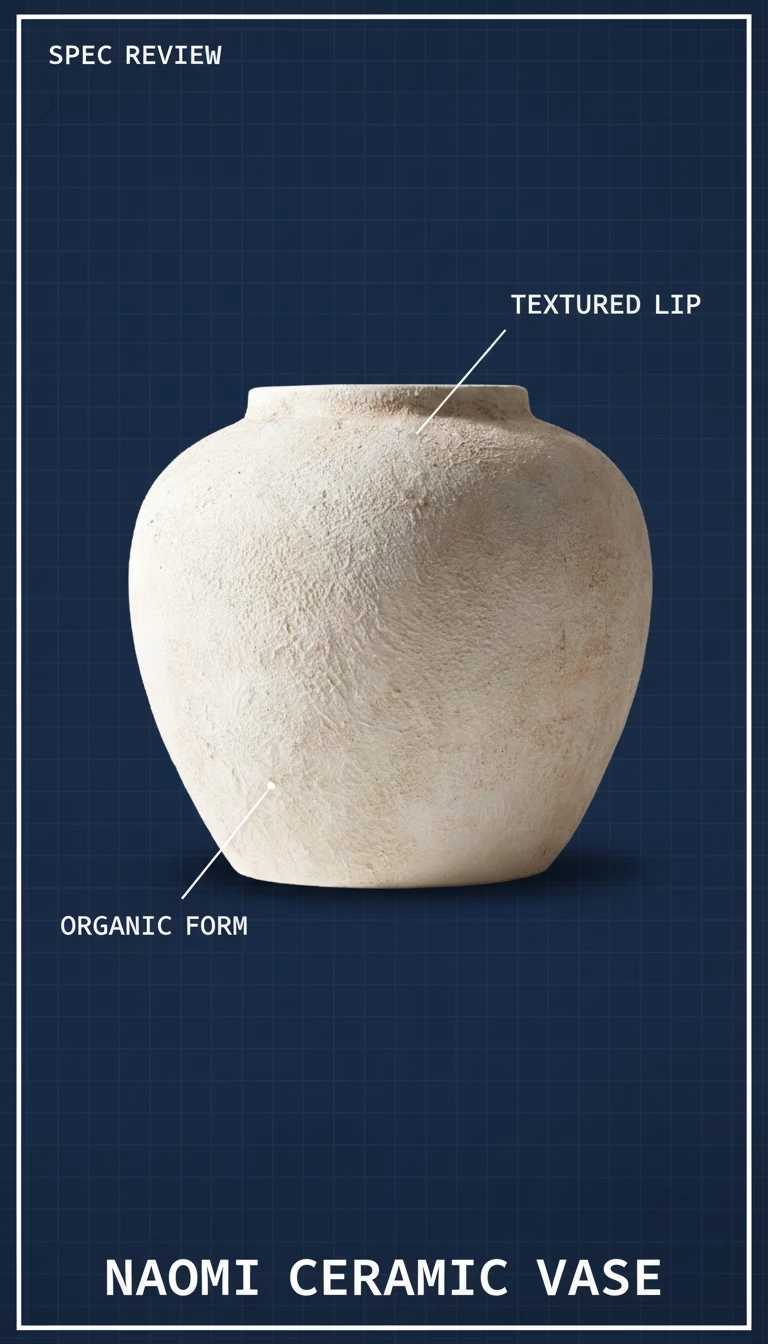
Quick Verdict
Naomi Ceramic Vase: A distinctive, heavy piece that functions more as sculpture than a mere vessel, demanding careful placement and a minimalist approach to floral arrangements.
Naomi C…
Quick Verdict
Naomi Ceramic Vase: A distinctive, heavy piece that functions more as sculpture than a mere vessel, demanding careful placement and a minimalist approach to floral arrangements.
Naomi Ceramic Vase — A Sculptural Statement
The first thing you notice isn’t the vase’s distinctive silhouette — it’s the sheer weight of the Naomi Ceramic Vase. From the moment I lifted it out of its surprisingly robust packaging, the substantial heft of this piece was unmistakable. It immediately communicates quality and permanence, far beyond what one might expect from a typical mass-produced decorative item. This isn’t just a container for flowers; it’s an anchor, a grounded presence in any room it inhabits. Its form is arresting: a single, continuous curve that billows out at the base before narrowing into a slender, almost delicate neck. The color on the unit I received was a rich, deep charcoal, verging on black in lower light, but revealing subtle undertones of warm grey under direct illumination. It’s a color that speaks of sophistication, a deliberate choice to complement rather than dominate, allowing the vase’s form to truly shine.
Naomi Ceramic has clearly designed this vase to be more than just functional; it’s an objet d’art in its own right. The sculptural quality is undeniable, inviting contemplation even when empty. I placed it on a reclaimed wood console, and its dark, smooth surface created an immediate contrast with the raw, textured grain of the timber. There’s a certain stillness it brings to a space, an unspoken invitation to slow down and appreciate its lines. Unlike many vases that recede into the background, this one actively participates in the room’s narrative. Its minimalist aesthetic means it avoids fussiness, making it versatile enough for various decor styles, from industrial chic to understated modern, or even as a counterpoint in a more bohemian setting. I found myself rearranging the surrounding elements to better frame its inherent elegance, a testament to its commanding visual presence. The way it catches light, transitioning from matte to a subtle sheen on its curves, adds a dynamic layer that photos often fail to capture fully.
The Tactile Experience: Weight, Texture, and Intentional Imperfection
Holding the Naomi Ceramic Vase reinforces the initial impression of its weight. It feels dense, almost stone-like, which contributes significantly to its stability. There’s no fear of it toppling over with a stray bump or a gust of wind from an open window, even with a moderate floral arrangement. The exterior finish is predominantly a matte, almost velvety glaze that feels cool and smooth to the touch. However, running my hand along its surface, I detected very subtle, almost imperceptible undulations, signs of its creation that speak to a handcrafted touch rather than a perfectly uniform machine finish. These minute variations add character, preventing the piece from feeling sterile or overly manufactured. They are not flaws, but rather whispers of the maker’s process, grounding the vase in a sense of authenticity.
The interior of the vase presents an interesting contrast. While the very top lip and neck are glazed like the exterior, the main cavity is left unglazed. This provides a raw, earthy texture inside, which is starkly different from the exterior’s polished feel. While this might be an intentional design choice to highlight the natural ceramic material, I did note one practical trade-off: cleaning. After housing a few stems of eucalyptus, some residue formed on the unglazed interior. While easily wiped away with a damp cloth, I imagine that more stubborn stains from hard water or heavily pigmented flower stems might prove a bit more challenging to remove completely from the porous surface without potentially leaving a mark. This isn’t a deal-breaker, but it’s an important consideration for those who plan to frequently use it for fresh flowers, especially varieties prone to shedding pollen or leaving sap. For dried arrangements or purely decorative use, it’s a non-issue.
Light Play and Environmental Impact
What truly elevates the Naomi Ceramic Vase from a mere container to a piece of art is its interaction with light throughout the day. In the soft glow of morning, the matte charcoal surface appears uniform and deep, absorbing light and creating subtle, gentle shadows that define its curves. As the sun climbs higher and direct light hits it, the vase undergoes a transformation. The glazed portions, particularly around the shoulders and neck, catch the light, reflecting a faint sheen that highlights the craftsmanship and the subtle shifts in its form. The darker, unglazed areas within the contours deepen, creating a dramatic play of light and shadow that continuously redefines its silhouette. I moved the vase to several different locations in my living space, observing how its character shifted from a stoic presence in diffused light to a dynamic sculpture under focused illumination.
On a bookshelf, nestled amongst volumes with varied spines, it became a singular focal point, its smooth, dark surface providing a visual resting point amidst the clutter of text and color. On a dining table, empty, it commanded attention, inviting conversation about its elegant lines. Even the simple act of a candle flickering nearby at night cast dancing shadows across its surface, giving it an almost animated quality. This ability to subtly alter its presence based on its environment and the available light is a hallmark of good design, making it a surprisingly versatile piece despite its strong visual identity. It doesn’t just sit there; it breathes with the room, subtly changing its mood and impact. I’ve found that pieces which offer this kind of dynamic visual experience are the ones that truly feel lived-in and appreciated over time, transcending mere decoration to become a part of the home’s narrative.
A Vessel’s Purpose: Holding Flowers (or Not)
While undoubtedly a vase, its primary strength lies in its sculptural form, and this has implications for how it best serves its function. The opening at the top is relatively narrow, perhaps an inch and a half in diameter. This dictates a minimalist approach to floral arrangements. Overly bushy bouquets or large, multi-stemmed arrangements would feel cramped and might even obscure the vase’s beautiful lines. Instead, the Naomi Ceramic Vase excels with single, dramatic stems – a tall gladiolus, a striking monstera leaf, a trio of delicate tulips, or a single, architectural branch. I found it particularly striking with dried grasses and slender pampas plumes, which complemented its earthy texture and neutral tone without competing for attention.
When I placed a single crimson rose in it, the contrast between the deep red petal and the charcoal ceramic was absolutely stunning, turning the simple flower into a statement piece. It forces you to be intentional with your choices, encouraging a less-is-more philosophy that often results in more impactful displays. This narrow neck also means stability for taller stems, as they lean against the sides and are held firmly in place. However, it’s worth noting that if you’re someone who loves to regularly display grand, overflowing floral arrangements, this might not be the most practical choice as your primary vase. Its strength lies in its ability to highlight the beauty of individual elements, rather than containing a profusion of blooms. It’s an interesting inversion: the vase itself is the main event, with flowers serving as an accent to its form, rather than the other way around.
Living with This Piece: Maintenance and Presence
The Naomi Ceramic Vase, due to its weight and robust construction, feels incredibly durable. I have no concerns about it being easily chipped or damaged through everyday use, provided it’s placed on a stable surface. Its dark, matte finish is also quite forgiving when it comes to dust; minor accumulations tend to blend in rather than stand out. A quick wipe with a soft, dry cloth is usually all it needs to maintain its pristine appearance. As mentioned, the unglazed interior is the only area that requires a bit more consideration if using fresh flowers regularly. I’d recommend using distilled water if possible to minimize mineral deposits, or at least ensuring the vase is thoroughly dried after each use to prevent any long-term staining or moisture retention in the porous material. For a quick refresh, a soft bottle brush might be helpful for reaching into the narrower neck if water and cloth aren’t sufficient.
Beyond its physical attributes and care requirements, the true measure of the Naomi Ceramic Vase lies in its ability to enhance a living space. It doesn’t just fill a void; it creates a focal point, drawing the eye and adding a layer of sophisticated calm. It’s the kind of piece that receives compliments, sparking curiosity about its origin and design. I’ve found that objects with such a strong, singular presence often become cherished elements in a home, transcending seasonal trends and proving their worth through their enduring aesthetic appeal. It doesn’t scream for attention, but rather commands it with quiet confidence. It feels like an investment in design, a deliberate choice to bring something genuinely artful into daily life.
For anyone looking to introduce a piece of functional art into their home, the Naomi Ceramic Vase is a compelling choice. Its substantial build, elegant form, and dynamic interaction with light make it a standout. At this price point, it’s one of the better options in the category — the sculptural presence alone justifies it over cheaper alternatives.
Pros
- Smooth matte finish feels premium to the touch.
- Sturdy base prevents accidental tipping with flowers.
- Compact size fits perfectly on narrow shelves.
- Interior glazing makes it genuinely leak-proof.
Cons
- Only available in one color option.
- Too small for large, elaborate floral arrangements.
- Ceramic material is fragile if dropped.
Leave a Reply