For a family of four who cook real dinners, six quarts is the size to start with. The better question is not how many people you feed, but what you cook in the pot and how often you cook for a crowd.
A pressure cooker lives or dies on whether you actually reach for it. Too small and you cook in two batches and give up. Too large and it hogs a cabinet and turns small meals into awkward ones. Six quarts sits in the middle, and the checks below will tell you whether the middle is right for you.
What actually matters
Who you cook for on a normal Tuesday
Size for the ordinary week, not the holiday. Count the people at the table on a typical night, then add one if you want leftovers for lunch. That is your working number.
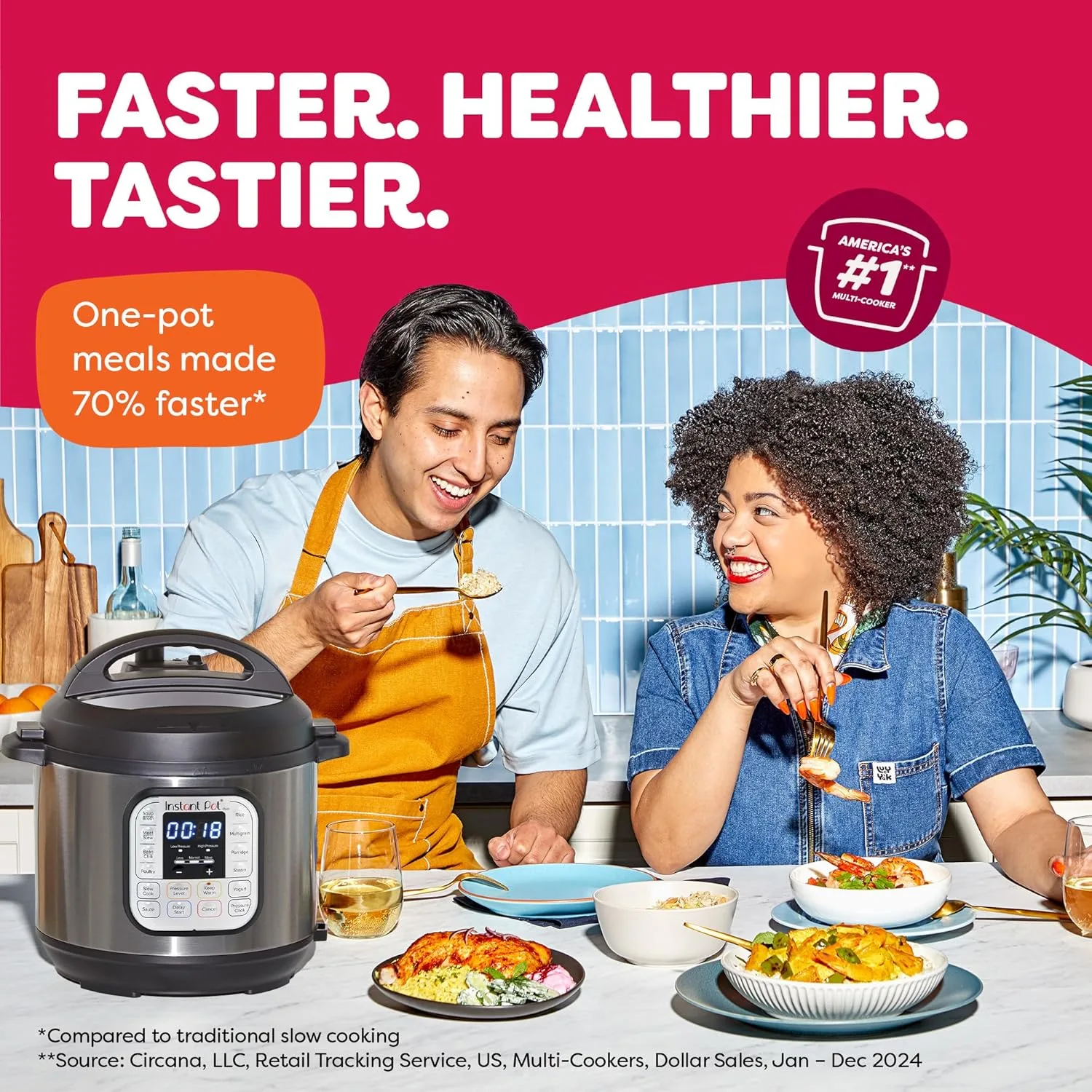
The check: write down the last five dinners you made and how many portions each produced. If most landed between four and six portions, six quarts fits. The Instant Pot Duo 6 Qt is rated to serve up to six, and it is aimed at a family of four who cook beans, stews and stock.
The dishes that fill the pot
Some foods take up more room than their portion count suggests. A whole chicken, a large roast or a big batch of stock needs height and width. Soup and stew are more forgiving.
The check: take the biggest thing you plan to cook regularly and measure it, then compare it to the inner pot. If you want to cook a whole bird often, check that it fits with the lid closed before you commit. Pressure cookers also should not be filled to the brim, so the usable volume is smaller than the number on the box.
Beans, stock and tough cuts
These are where a pressure cooker changes your routine, and they are the main reason to buy one. Dried beans in about forty minutes with no soaking is the standout example. Our review points to beans and tough cuts as where the machine earns its keep.
The check: if you rarely cook beans, braises or stock, a smaller or simpler appliance may do. If you do, a pot big enough to cook a full batch at once matters, because beans and stock are worth making in quantity and freezing.
Counter and cabinet space
An electric pressure cooker is a bulky appliance with a lid that needs somewhere to go. Many people decide the size on paper and then find it will not slide under their wall cabinets.
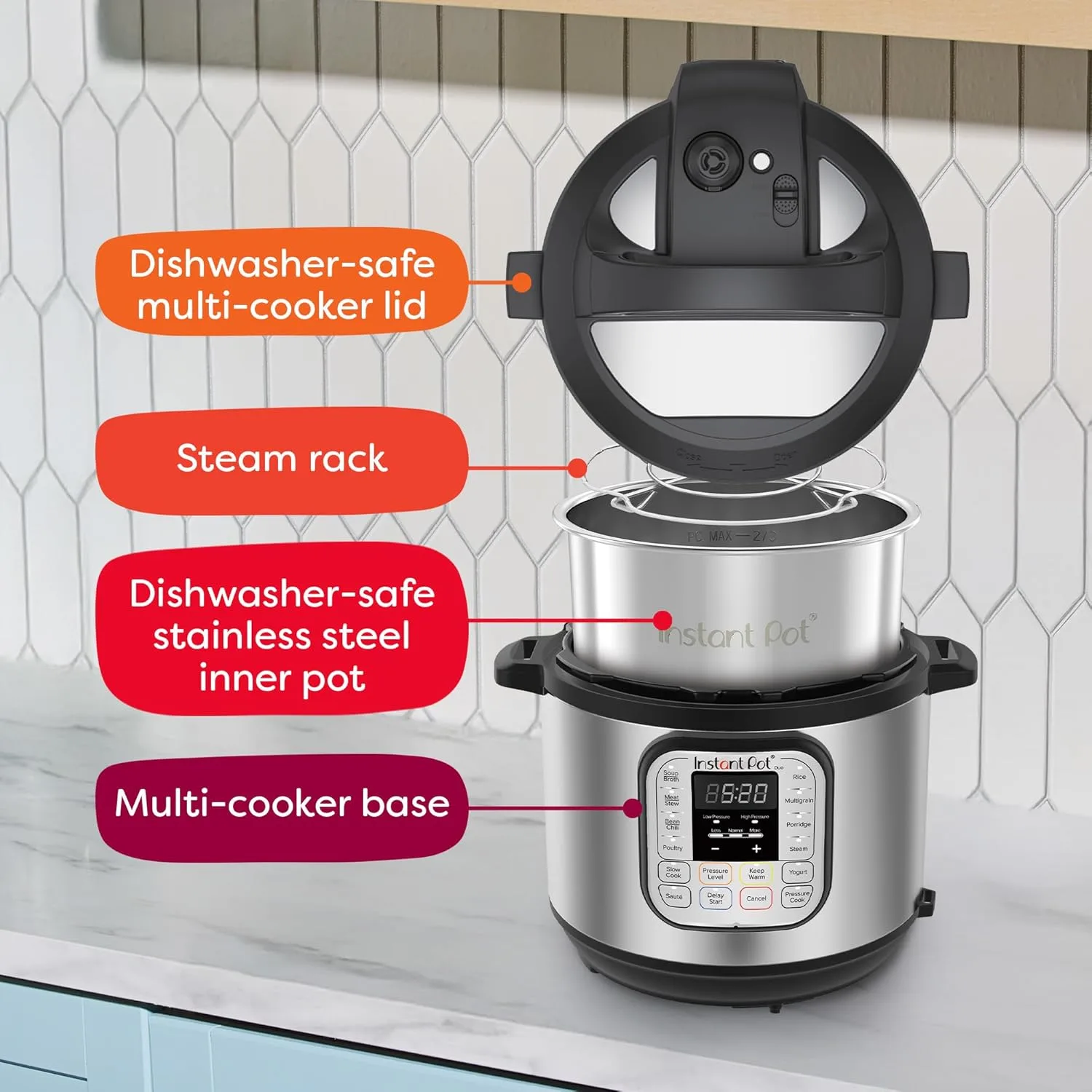
The check: measure the shelf or counter spot, including the height under any cabinet. Leave room above the lid, since steam releases upward. Owners also mention that finding a place for the lid is a small daily annoyance, and the slot on the handle of the Duo is what solves it.
How much of the function list you will use
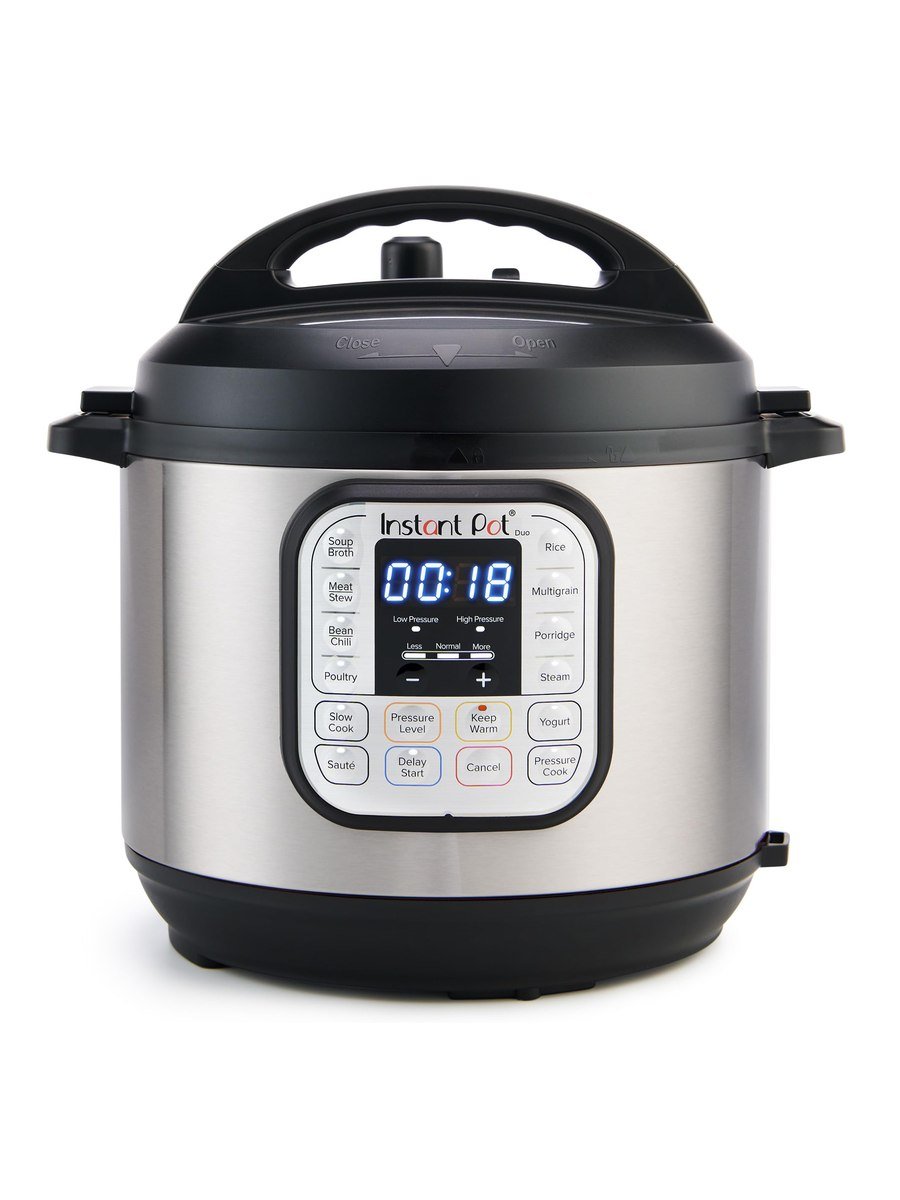
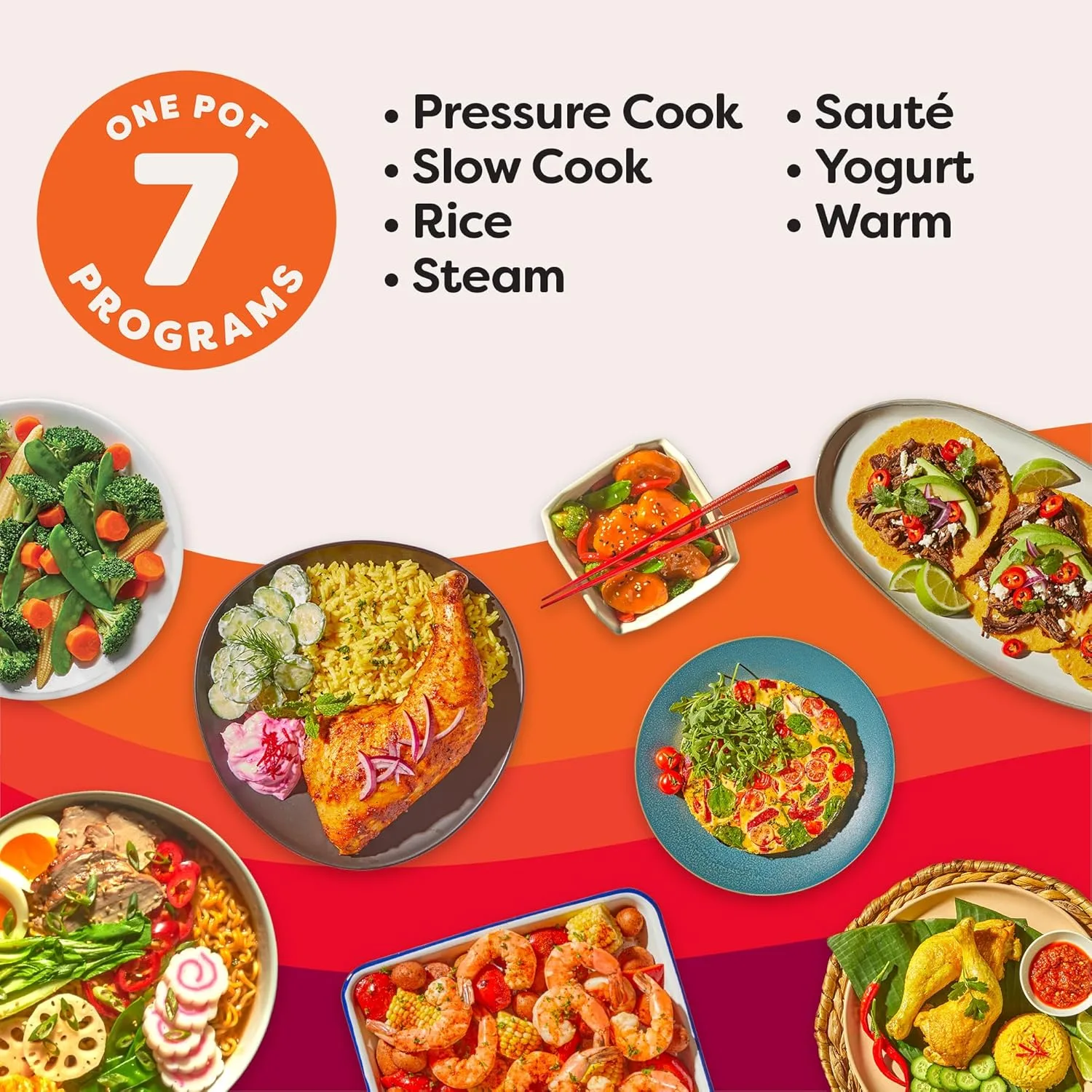
Multicookers advertise a long list of modes. Many people settle into two or three. Pressure cooking and sauté are the ones that earn the counter space.
The check: circle the functions you would use weekly. If it is pressure cooking, sauté and rice, the rest is a bonus rather than a reason to pick a bigger or fancier model.
What to ignore
- The serving count on the box. It is a maximum, not a promise. Plan around your real portions.
- Wattage as a quality signal. The Duo's 1000-watt element is described as reaching pressure quickly for a six-quart pot, which is all the number needs to tell you.
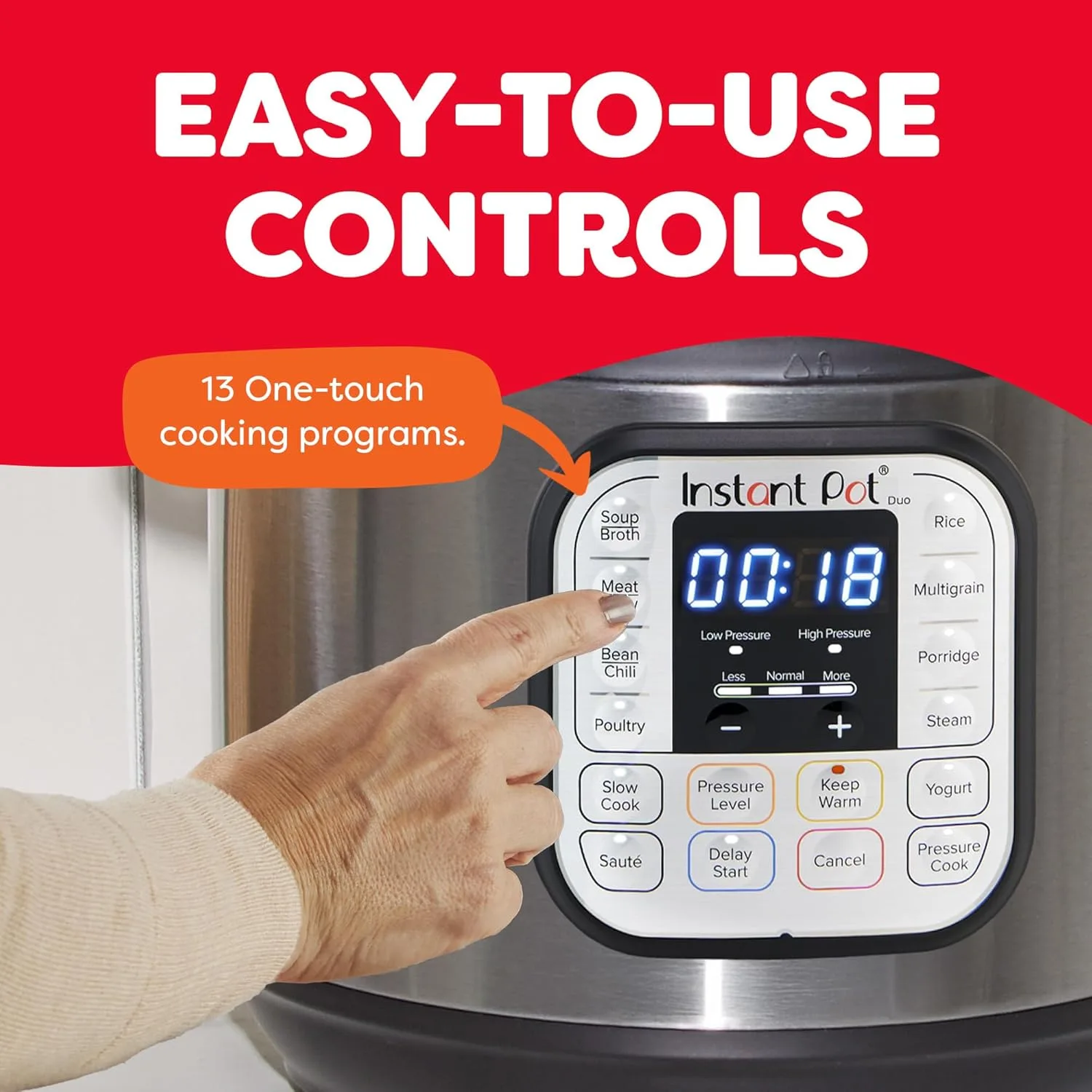
- Function count for its own sake. Seven functions and fourteen one-touch programs sound like a lot, but only some of them will earn a place in your week.
- Touchscreens and extras. Pressure cooking and sauté do the real work. Everything else is optional.
Common mistakes
Buying big "just in case"
A larger pot is not a safer pot. It is harder to store and wash, and it makes small meals awkward. If you mostly cook for two, a huge pot is a nuisance.
Forgetting the time before the timer starts
The recipe time is the time under pressure. The pot still has to come up to pressure first, and that time is not in the recipe. Plan dinner with that in mind.
Using too little liquid
The "Burn" warning is the most common thing owners hit. It usually comes from too little liquid, or from sauce catching on the base. Measure the liquid the recipe calls for, and avoid letting thick sauce sit on the bottom of the pot.
Expecting a dedicated slow cooker
Slow cooking is the one function that disappoints people coming from a dedicated slow cooker. In our review, the slow cooker mode runs cooler than a stand-alone unit. If slow cooking is your main use, keep your slow cooker and buy the pressure cooker for everything else.
Ignoring the sealing ring
The silicone sealing ring holds onto garlic and spice. Buying a second ring for sweet dishes has become near-standard advice among owners. It is replaceable, so it is a small fix for a smell that would otherwise follow your desserts.
Which buyer should pick what
| Your situation | What to look for |
|---|---|
| Family of four, cooks beans, stews and stock | Six quarts. This is the core use case. |
| Couple or single cook, mostly small meals | A smaller pot may suit better. Six quarts will work but may feel large for single portions. |
| Larger household or frequent batch cooking | Consider a bigger pot, and check that it fits your space. Six quarts serves up to six at most. |
| Mainly wants a slow cooker | A dedicated slow cooker. The multicooker mode is its weak point. |
| New to pressure cooking | Simple controls and strong safety features. Look for a locking lid and overheat protection. |
If you are somewhere in between, six quarts is the safer bet. It handles a family dinner and still copes with a smaller meal, which is harder to say about the extremes.
Where our catalog product fits
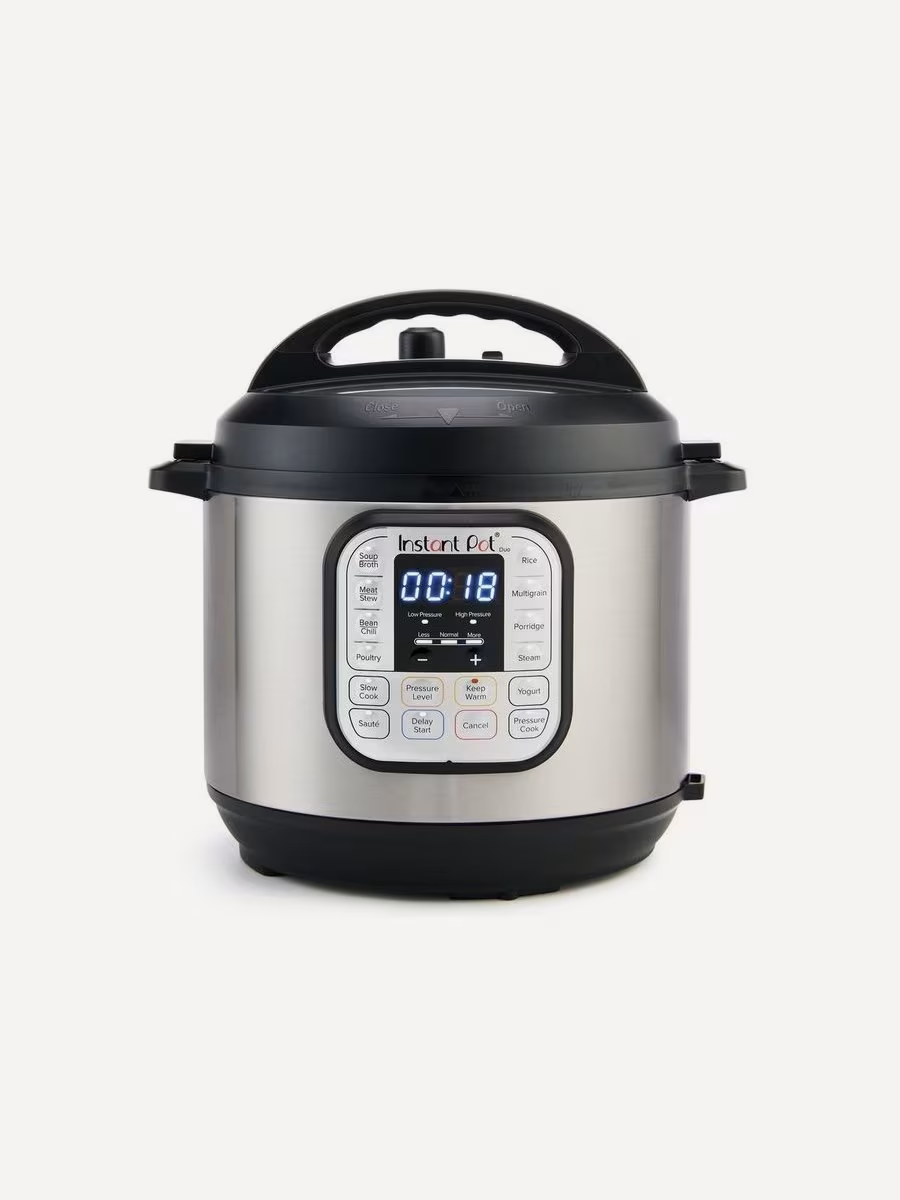
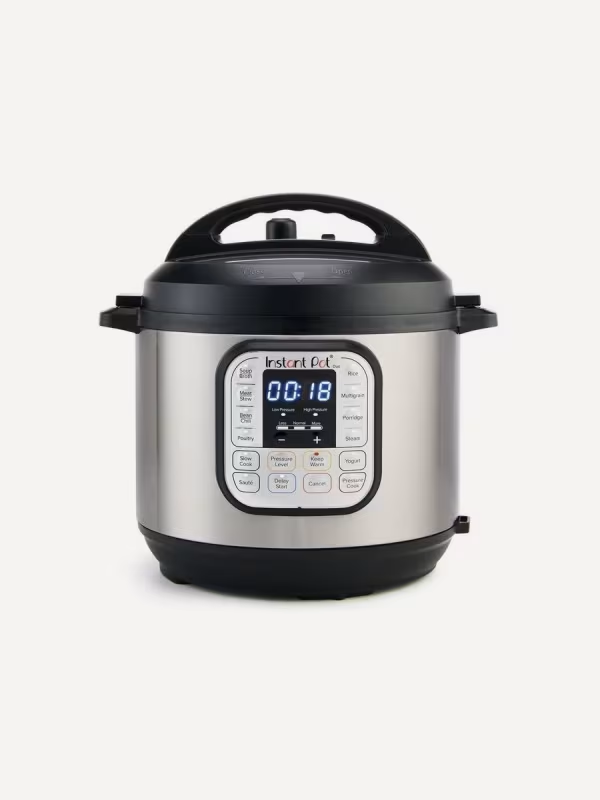
The Instant Pot Duo 6 Qt is the six-quart option in our catalog. Our verdict is that it is still the multicooker to buy first, with pressure cooking and sauté as the functions that justify the counter space.
Editor's ChoiceInstant Pot Duo 6 Qt 7-in-1 Electric Pressure CookerInstant Pot · Duo 6 Qt4.6/5Still the multicooker to buy first. Pressure cooking and sauté are the functions that earn the counter space; the slow cooker mode is the weak one.
As an Amazon Associate we earn from qualifying purchases. Links on this page may be affiliate links; we may earn a commission at no extra cost to you.
Still the multicooker to buy first. Pressure cooking and sauté are the functions that earn the counter space; the slow cooker mode is the weak one.
As an Amazon Associate we earn from qualifying purchases. Links on this page may be affiliate links; we may earn a commission at no extra cost to you.
It has 14 one-touch programs plus full manual control, a stainless inner pot that is dishwasher safe, and more than ten safety mechanisms including a lid that locks under pressure. Sautéing in the same pot means one thing to wash. It is UL and ULC listed.
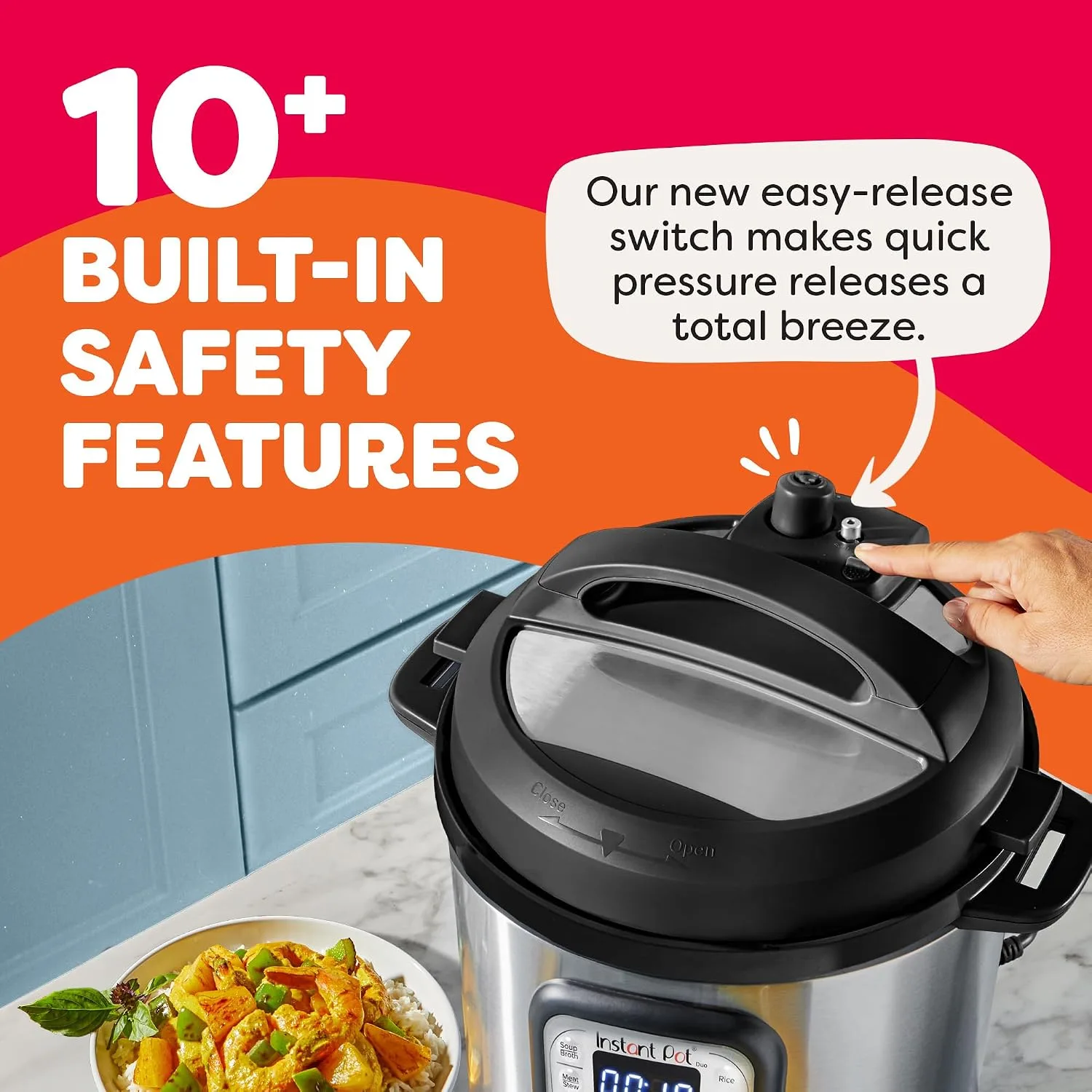
The trade-offs are the ones covered above: a slow cooker mode that runs cooler than a dedicated one, a sealing ring that holds onto strong smells, and come-to-pressure time that is not in the recipe time. None of them is a reason to pass if beans, stews and stock are what you cook. Check the current price before you buy.
Found this review helpful?
Pin it to one of your boards and come back to it whenever you need a reminder.

No comments yet.
Join the discussion. Comments are moderated before appearing.