The usual blender mistake is buying a big jug "to be safe" and then using it once a fortnight for soup. How you cook decides the type, and for a lot of kitchens the cheaper machine is the right one.
What each one is actually for
| Job | Stick | Jug |
|---|---|---|
| Soup, blended in the pot | Yes, this is its job | Works, in batches, with a hot-liquid risk |
| Smoothie with frozen fruit | Struggles | Yes |
| Crushing ice | No | Yes, with a powerful motor |
| Mayonnaise and emulsions | Yes, better than a jug | Awkward |
| Baby food, small amounts | Yes | Too big to bother |
| Nut butter | No | Slowly, with a strong motor |
| Milkshakes for four | No | Yes |
| Chopping onions, herbs | With the chopper attachment | Poorly; it purées |
The stick blender case
It blends in whatever pot or jug the food is already in, which removes the step that stops people using a jug blender: decanting hot soup, then washing a large jug. Washing a stick takes ten seconds under a tap. It stores in a drawer. It costs a fraction of a good jug blender, and for soup, sauces, baby food and emulsions it does a better job because you control where the blade goes.
What it cannot do is work against resistance. Frozen fruit, ice, and anything fibrous will either stall it or leave lumps, and no amount of wattage in a stick fixes the fundamental problem that the blade is small and the food can move away from it.
The jug blender case
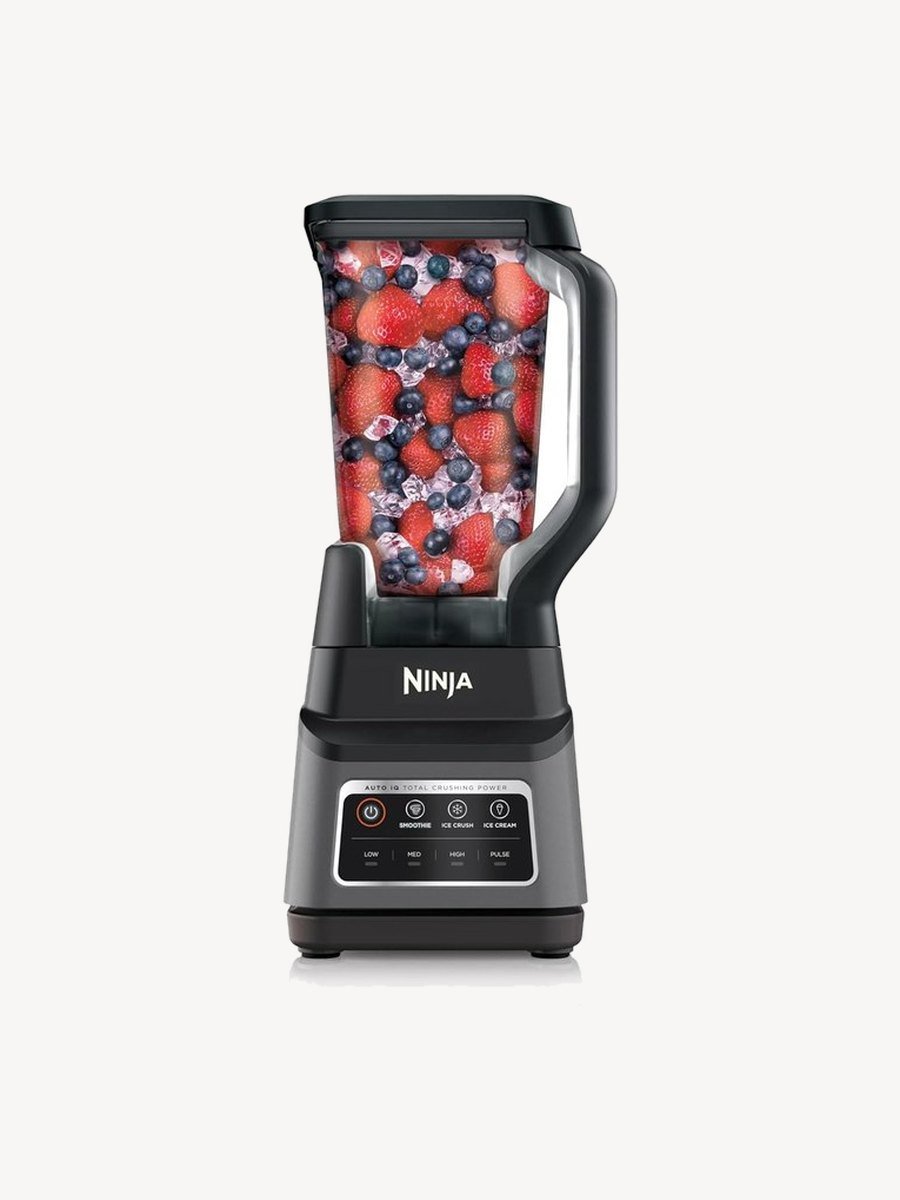
A jug blender earns its counter space when you make drinks. Smoothies with frozen fruit, iced coffee, milkshakes, frozen cocktails: these need a vortex and a blade that food cannot escape, and that is what a jug is. It also wins on volume, because making four portions of anything in a stick blender is a chore.
Two things matter more than the wattage on the box. Blade design and jug shape decide whether the mixture circulates or spins a hole around the blades, which is the churning-with-nothing-happening problem people blame on power. And a dishwasher-safe jug decides how often the machine gets used, exactly as with the stick.
How to tell which one you are
Look at what you cooked in the last month rather than what you intend to cook. If the list is mostly soups, sauces and the occasional puree, buy a stick blender and spend the saved money on a better one with a chopper attachment and a whisk. If a smoothie appears more than twice a week, or anyone in the house wants frozen drinks, buy the jug. If you have both patterns, the honest answer is that a good stick blender plus a cheap personal blender for drinks costs less than one good jug blender and covers more ground.
The mistakes that waste money
- Buying on wattage. A high number on a poor blade design blends worse than a moderate motor with a good one.
- Buying a jug too big for the household. A large jug needs a minimum volume to circulate; a single smoothie in a huge jug just spins.
- Assuming a jug blender does hot soup. Most jugs are not made for blending soup hot from the pan, and steam builds pressure under the lid. Let it cool, work in batches, or use a stick.
- Ignoring the noise. Powerful jug blenders are genuinely loud, which matters in a flat or with a sleeping child in the house.
- Forgetting where it lives. A jug blender left in a cupboard because it does not fit under the cabinets is money spent on a machine you will not use.
The short version
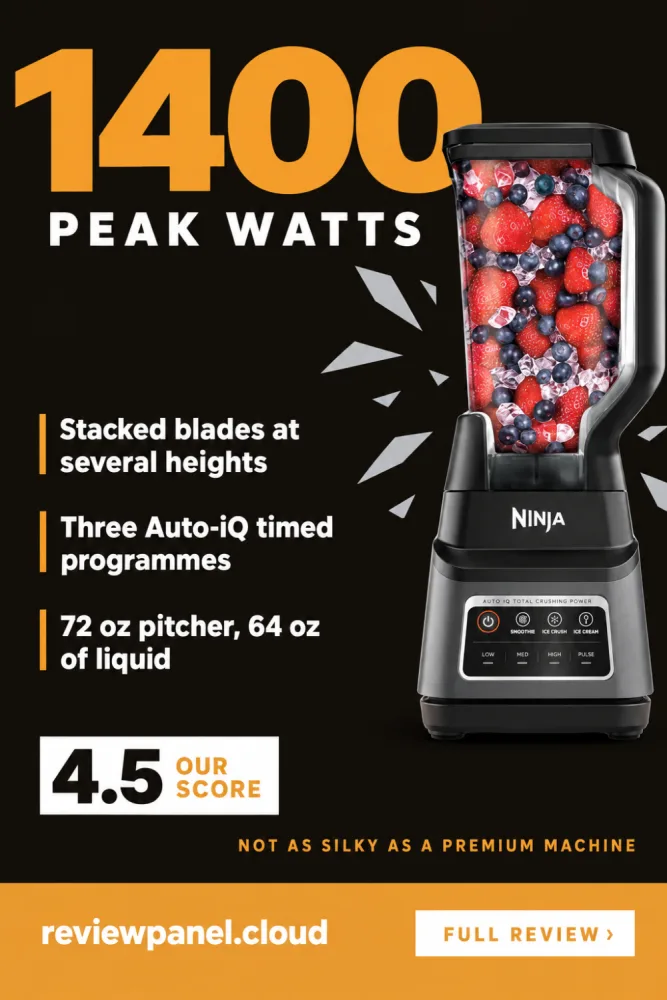
Soup, sauces and small jobs: a stick blender, and you will use it weekly. Smoothies, ice and drinks for more than one: a jug blender, sized to the household rather than to the ambition. If you are shopping at the jug end and want to know what a strong motor and a stacked blade design buy you, our review of the Ninja BN701 goes through it, including the loading order that stops a blender spinning without blending.
Found this review helpful?
Pin it to one of your boards and come back to it whenever you need a reminder.

No comments yet.
Join the discussion. Comments are moderated before appearing.