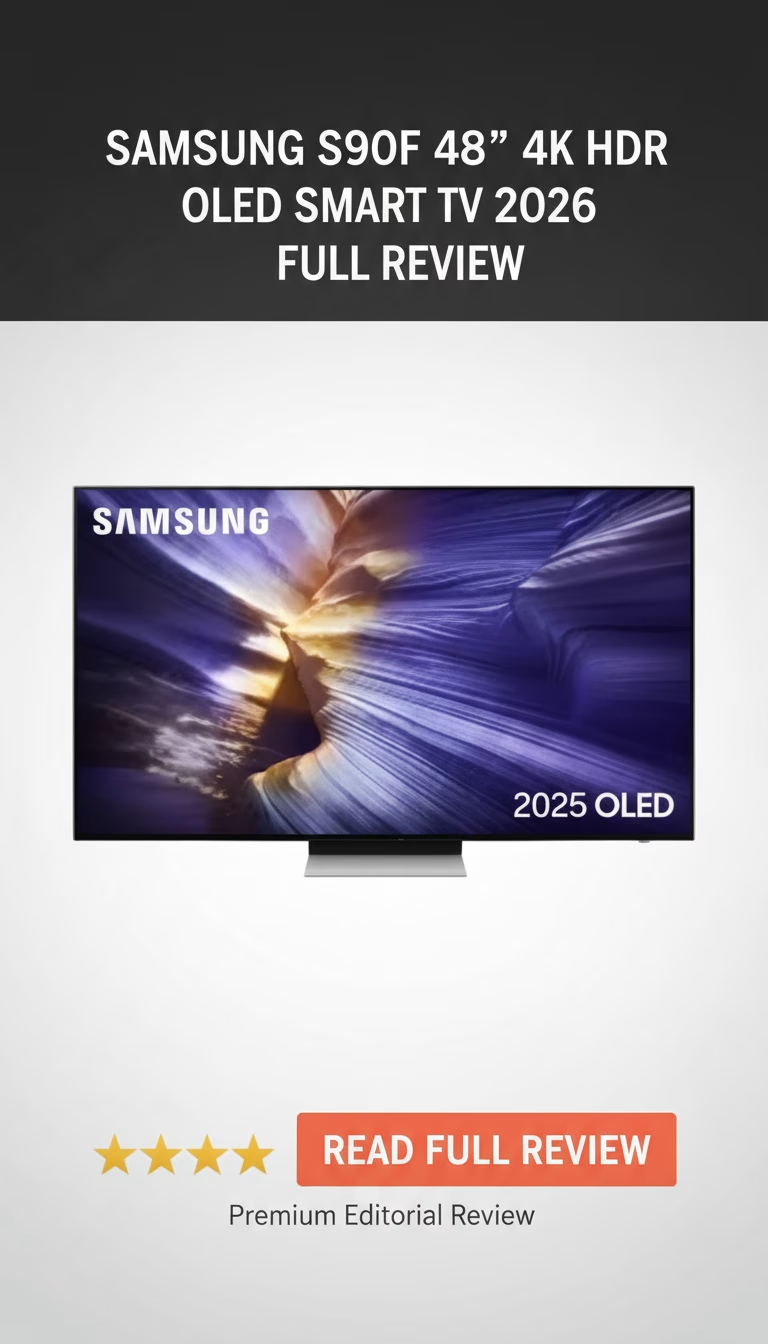
Samsung S90F 48" QD-OLED — The Best Monitor-Sized TV for Gaming and Desktop Use
The 48-inch TV category exists for a specific buyer: someone who wants OLED picture quality in a bedroom, office, or desk setup where 55 inches is too large. Samsung''s S90F 48" uses the same QD-OLED panel technology found in their larger flagship models, shrunk down to a size that works two feet from your face. At roughly $1,300, it competes directly with the LG C4 48" and dedicated OLED gaming monitors like the Alienware AW3423DWF — and it holds its own against both.
Why 48 Inches Matters
At a desk viewing distance of 2-3 feet, 48 inches fills your peripheral vision the way a 65-inch does from a couch. The pixel density at this size — about 92 PPI — means individual pixels are invisible at arm''s length. Text rendering is sharp enough for desktop productivity work, spreadsheets, and code editing, though Windows scaling at 150% produces the most comfortable reading experience.
The S90F weighs 26.5 lbs and sits on a compact central pedestal that fits on most desks wider than 24 inches. VESA 300x300mm mounting is supported. The thin profile — roughly 11mm at the thinnest point — keeps it from dominating a desk setup the way a thick-bezeled monitor would.
QD-OLED Panel: Color Volume Is the Advantage
Samsung''s QD-OLED technology layers quantum dots over an OLED emitter, producing wider color volume than LG''s WOLED panels. In practice, this means saturated reds and greens appear more vivid without losing accuracy. DCI-P3 coverage measures around 99.3%, and the panel maintains color saturation at higher brightness levels where WOLED panels tend to desaturate toward white.
Peak brightness hits approximately 1,900 nits on 3% HDR windows — brighter than the previous S90D generation by roughly 200 nits. For HDR gaming and movie content, specular highlights have real intensity. ABL (Automatic Brightness Limiting) kicks in on large bright areas, dropping full-screen white to around 250 nits, which is normal OLED behavior and only noticeable in desktop productivity with lots of white backgrounds.
Black levels are absolute zero — same as every OLED. Contrast is infinite. In a dark bedroom watching a film noir or horror movie, the difference versus any LCD panel is immediately obvious and impossible to unsee once you''ve experienced it.
Gaming Performance
Four HDMI 2.1 ports, all supporting 4K 144Hz (not just 120Hz — Samsung bumped the refresh rate). VRR support includes FreeSync Premium Pro and basic G-Sync compatibility. Input lag at 4K/120Hz: approximately 9.5ms. At 4K/144Hz: approximately 9.2ms. Game Mode engages automatically via ALLM when a console or PC is detected.
The Samsung Game Bar overlay shows real-time FPS, VRR range, input lag, and HDR status. Genre-specific picture modes adjust contrast and shadow detail — the FPS preset boosts dark area visibility, useful in competitive shooters. Samsung''s Motion Xcelerator 144Hz feature adds interpolated frames for lower-framerate content, though most gamers will want this disabled to avoid input lag.
For PC gaming with an RTX 4080 or above, this TV handles 4K native at frame rates that max out the 144Hz ceiling in most competitive titles. The QD-OLED response time is effectively instant — no ghosting, no smearing on fast-moving objects.
Tizen OS and Daily Use
Tizen 8.0 runs smoothly. Apps load fast, the interface responds without lag, and all major streaming services are available. The solar-powered remote charges from ambient indoor light and rarely needs USB-C charging — a genuine quality-of-life improvement over battery-powered remotes.
No built-in speakers worth mentioning for serious listening. The integrated 20W system handles dialogue adequately but has no bass response. A headphone setup, soundbar, or desktop speakers are essentially required.
Ambient Mode displays artwork or photo slideshows when the TV isn''t in active use, using OLED''s per-pixel dimming to avoid illuminating the entire screen. Samsung''s Art Store subscription ($5/month) provides rotating gallery content.
Burn-In Considerations
QD-OLED panels are susceptible to burn-in from static content displayed over thousands of hours. Desktop taskbars, channel logos, and game HUDs are the primary risks. Samsung includes pixel shift, logo dimming, and periodic pixel refresh cycles as mitigation. For varied content usage — movies, gaming, different applications — burn-in is unlikely to appear within the TV''s practical lifespan of 5-7 years. Dedicated desktop use with a static taskbar 10+ hours daily carries more risk.
The Competition
The LG C4 48" costs roughly $200 less, uses WOLED technology with slightly lower color volume but comparable contrast and black levels. It has better Dolby Vision support and webOS is arguably more polished for non-Samsung ecosystems. The Samsung wins on peak brightness, color saturation, and 144Hz support.
Against dedicated OLED gaming monitors: the Alienware AW3423DWF offers ultrawide 34" QD-OLED at higher pixel density for pure PC gaming, but the Samsung provides a larger canvas, smart TV functionality, and console compatibility that a monitor can''t match.
For a bedroom TV or a desk setup where you want one display that handles gaming, streaming, and occasional productivity, the S90F 48" is the strongest all-around option in this size class.
Key Features
Pros & Cons
What We Like
- Absolutely gorgeous, contrast-rich picture quality.
- Fantastic for gamers with 144Hz refresh rate.
- Vibrant, accurate colors due to QD-OLED.
- Snappy and intuitive Tizen Smart TV system.
- Sleek, minimalist design looks premium.
What Could Be Better
- Premium price tag might be a barrier.
- Potential for screen burn-in (common OLED concern).
- Built-in speakers are decent, but a soundbar helps.
- Only one size option at 48 inches.
Specifications
| Brand | Samsung |
|---|---|
| Model | QE48S90FAEXXU |
| Dimensions | 42.1 L x 1.4 W x 24.3 H inches (106.88 x 3.63 x 61.76 cm) without stand |
| Weight | 27.6 lbs (12.5 kg) without stand |
| Material | Plastic, Metal |
| Color Options | Black |
| Warranty | 1 Year Standard Manufacturer's Warranty |
| Display Technology | QD-OLED |
| Resolution | 4K Ultra HD (3840 x 2160) |
| Refresh Rate | 144Hz (Native) |
| HDR Support | HDR10+, HLG, HGiG |
| Smart TV Platform | Tizen |
Frequently Asked Questions
If you prioritize incredible picture quality, especially deep blacks and vibrant colors, and you're into gaming, then absolutely. It's a premium TV, but you're getting cutting-edge QD-OLED tech that makes movies and games look phenomenal.
It typically comes with a standard 1-year manufacturer's warranty. It's always a good idea to register your TV with Samsung after purchase, and keep an eye out for any extended warranty options offered by retailers.
Both are fantastic OLEDs. The Samsung S90F uses QD-OLED tech which often delivers brighter colors and better color volume than LG's WOLED, especially in bright scenes. The LG C3 has a slightly more mature smart platform for some, but the S90F's gaming features like 144Hz and QD-OLED pop usually give it an edge for pure picture enthusiasts and gamers.
This TV is ideal for cinephiles and serious gamers who want the best possible picture quality. If you appreciate deep, inky blacks, incredibly vibrant colors, and a super smooth gaming experience, this TV is definitely for you.
Available on Amazon and other major retailers. We recommend checking Amazon for the best current price and fast shipping.
Final Verdict
The Samsung S90F 48” QD-OLED TV is an absolute powerhouse for anyone seeking breathtaking picture quality and top-tier gaming performance. While it commands a premium, its vibrant colors and perfect blacks deliver an immersive experience that's hard to beat. If you're ready to upgrade your home entertainment, check Amazon for current pricing and elevate your viewing.

Save for later
Found this review helpful?
Pin this article to your Pinterest board and come back to it whenever you need a reminder.
Save to PinterestPrice Tracker
Get Price Drop Alerts
We'll notify you when the price drops below your target.