Tatcha The Dewy Serum Review 2026: Is It Worth Buying?
Okay, let’s be real for a second. We’ve all been there, right? Staring into the bathroom mirror, scrutinizing every tiny line that wasn’t th…
Tatcha The Dewy Serum — $89 for Glow, and Whether the Glow Is Real
Tatcha built a brand around Japanese beauty rituals and premium ingredients, and The Dewy Serum is their answer to the “glass skin” trend that refuses to die. At $89 for 30ml (1 oz), it sits in the upper tier of hydrating serums — cheaper than SK-II’s essence but more than double what brands like The Ordinary or CosRx charge for similar hydration-focused products. The core promise: deep hydration, gentle resurfacing, and that elusive lit-from-within look.
Formula and Ingredients
The formula is built on three pillars. Tatcha’s proprietary Hadasei-3 complex — a fermented blend of Uji green tea, Akita rice, and Okinawa mozuku algae — provides antioxidant protection and the amino acids that support surface renewal. Lactic acid at a low concentration (Tatcha doesn’t disclose the exact percentage, but the pH and gentleness suggest 3-5%) handles mild chemical exfoliation. Hyaluronic acid and squalane round out the hydration and moisture-locking components.
The texture is a medium-weight gel-serum — thicker than water but thinner than most serums with squalane. It has a slight silkiness that comes from the squalane rather than silicones. Two to three drops from the dropper cover the full face. Absorption takes about 30 seconds, leaving a soft sheen rather than a sticky film. There’s a very faint, almost imperceptible clean scent that disappears immediately.
6-Week Test
Used twice daily, after cleansing and toner, before moisturizer in the morning and before night cream in the evening.
Day 1-7: Immediate hydration improvement. Skin felt noticeably plumper within the first application — not in a “swollen” way but in a “filled-in” way, like dehydration lines across the cheeks suddenly had less depth. The morning-after effect was consistent: skin looked fresh and reflected light evenly instead of in patches.
Week 2-3: The lactic acid started showing results. The rough texture on the outer cheeks — the kind that makes foundation sit unevenly — smoothed out. Skin tone looked more consistent, and the overall complexion had a clarity that hadn’t been there before. No irritation, peeling, or sensitivity, even when used alongside retinol on alternate nights.
Week 4-6: The “dewy” claim landed. Skin had a genuine luminosity — not oily, not shimmery, just healthy-looking. The glow was most visible in natural light, and it held through the day without turning greasy by afternoon. Fine lines around the eyes appeared softer. The area between the brows, where expression lines tend to shadow, looked smoother.
What it didn’t do: significant impact on deep wrinkles, dramatic brightening of dark spots, or oil control. It’s a hydration-and-glow product, and it stays in that lane.
The Packaging
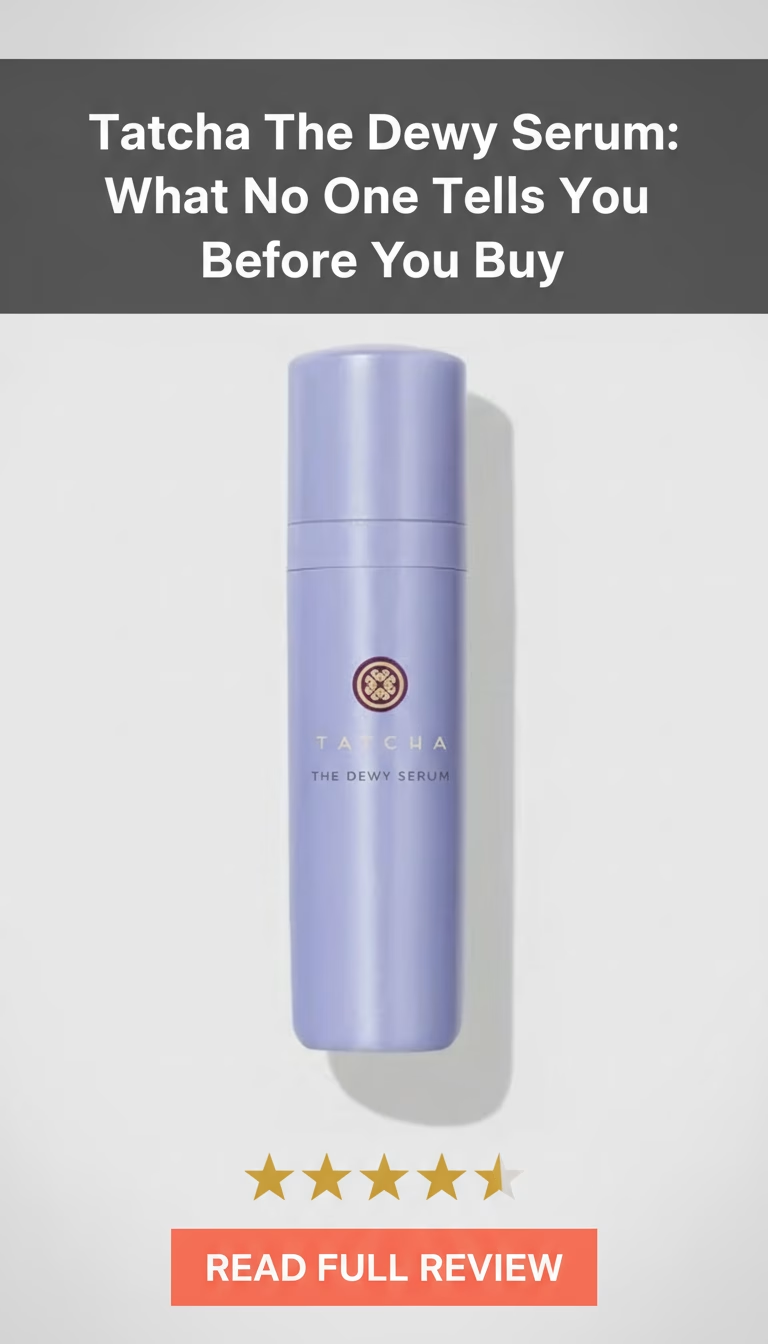
The violet glass bottle with gold accents is objectively beautiful — heavy, well-made, and photogenic on a bathroom shelf. The dropper is precise and consistent. The glass is thick enough to feel premium but also heavy enough to be a travel concern — dropping this on tile would be expensive. At $89/oz, every spilled drop stings. The dropper seal is tight, which helps preserve the actives.
Competitive Context
The Ordinary’s Hyaluronic Acid 2% + B5 ($8) handles pure hydration at a fraction of the price, but it doesn’t include the exfoliating or antioxidant components. CosRx Snail 96 Mucin Essence ($22) provides similar plumping and glow at a much lower price point — it’s thicker and less elegant, but effective. SK-II Facial Treatment Essence ($185+) targets similar glow outcomes through fermented Pitera but at 2x the price and with a completely different texture (watery, not serum-like).
Drunk Elephant’s Protini Polypeptide Cream ($68) provides hydration plus peptides in a cream format rather than a serum, but the glow factor is less pronounced. Tatcha’s own Dewy Skin Cream ($68) is the richer, cream version if you want the glow without the exfoliating lactic acid.
What Works
- The glow is real — natural luminosity that’s visible in photos and in person without looking oily.
- Lactic acid exfoliation is effective but gentle enough for daily use on sensitive skin.
- Absorption is fast and residue-free — layers perfectly under sunscreen, makeup, or heavier treatments.
- Dehydration lines (not deep wrinkles) visibly fill in within the first week.
- No irritation when combined with retinol, vitamin C, or other actives.
What Doesn’t
- $89/oz is hard to justify when CosRx and The Ordinary deliver comparable hydration for $8-22.
- The “anti-aging” claims are modest — fine line softening, yes, but no impact on deep wrinkles or significant sagging.
- The glass bottle isn’t travel-friendly — heavy and breakable.
- Oily skin types may find the “dewy” finish pushes toward greasy by mid-afternoon.
- 30ml won’t last long if you’re generous with application — expect 5-6 weeks with twice-daily use.
The Verdict
The Dewy Serum delivers genuine hydration and glow. The combination of fermented actives, gentle lactic acid, and squalane-based moisture creates a result that’s more nuanced than straight hyaluronic acid serums. The question is whether that nuance is worth $89. If budget is a primary concern, CosRx Snail Mucin ($22) gets you 70-80% of the effect. If you value the texture, the packaging experience, and the gentle exfoliation on top of the hydration, Tatcha’s formula is one of the better executions in the prestige serum category. Best suited for normal-to-dry skin that needs radiance and gentle resurfacing without the irritation risk of stronger acids.
Pros
- Gives an amazing dewy, hydrated glow
- Luxurious feel and application
- Visibly plumps skin, reduces fine lines
- Gentle, non-irritating formula
- Improves skin texture over time
Cons
- Definitely on the pricey side
- Slight fragrance might bother some
- Results can take a few weeks to fully show
Leave a Reply