Robot vacuums succeed by matching your home, not by winning a suction comparison. A robot bought before answering four questions usually ends up in a cupboard within a season.
One: carpet or hard floor?
This decides more than any other answer. On hard floors almost any robot does a respectable job, because dust and crumbs sit on the surface and a side brush plus moderate suction collects them. Carpet is a different problem: the dirt is down in the pile and it takes agitation from a brushroll plus real suction to lift it, which is where cheap robots quietly fail.
Deep pile and long shag are the hardest case. Many robots cannot climb onto a thick rug at all, and those that do often get stuck or push it around. If your main living space is deep carpet, a robot is a floor-tidier between proper vacuum sessions, and buying it with that expectation is the difference between satisfaction and disappointment.
Two: pets?
Pet hair changes three things. It wraps around bristle brushes, so a rubber or hybrid brushroll is worth paying for; a bristle brush in a shedding household needs scissors every week. It fills bins, so a small bin that was fine in a childless flat becomes an every-run chore. And it carries dander, which makes a sealed filter worth more than an extra hundred pascals of suction.
Cats and dogs also produce the accident that no robot should meet. Any robot without obstacle recognition will find it and redistribute it across the whole floor, which is the failure people remember. If that risk is real in your home, either buy a model with camera-based obstacle avoidance or run the robot only when someone is in.
Three: how many floors, and what is in the way?
A robot has no idea stairs exist beyond not falling down them. On a two-storey house you either carry it up and down, which most people stop doing after a month, or you buy a model that stores a map per floor so it does not relearn the layout every time.
The other half of this question is obstacles. Cables, socks, rug tassels, pet bowls and floor-standing lamps are what end runs. Some of that is a one-off tidy; some is furniture you are not going to move. Walk your floor honestly before buying, because a robot needs the floor picked up first and that chore does not disappear.
Four: who empties it?
Every robot needs maintenance, and the question is whether it will actually happen. Be honest, because the answer determines what you should spend.
| Task | How often | If skipped |
|---|---|---|
| Empty the bin | Every run or two | It stops picking up |
| Clear the brushroll | Weekly with pets | Motor strains, then stalls |
| Wash or tap out the filter | Weekly | Suction fades quietly |
| Wipe the sensors and wheels | Monthly | It refuses floors and gets lost |
| Replace brushes and filters | Every few months | Performance drifts down for months |
A self-emptying dock removes the first row and costs a significant amount. It is a luxury in a household that will do the maintenance and a requirement in one that will not, because a robot nobody maintains becomes a machine that pushes dust around while making a noise.
What the questions add up to
- Hard floors, no pets, one level, will do the upkeep: a basic robot without mapping does the job and costs the least.
- Pets: rubber brushroll, a bigger bin or a self-emptying dock, and obstacle avoidance if accidents are a real risk.
- More than one floor: multi-floor maps, or accept that you are carrying it.
- Deep carpet: spend on suction and brush design, and keep your main vacuum.
- Nobody will maintain it: self-emptying dock, and set a calendar reminder for the rest anyway.
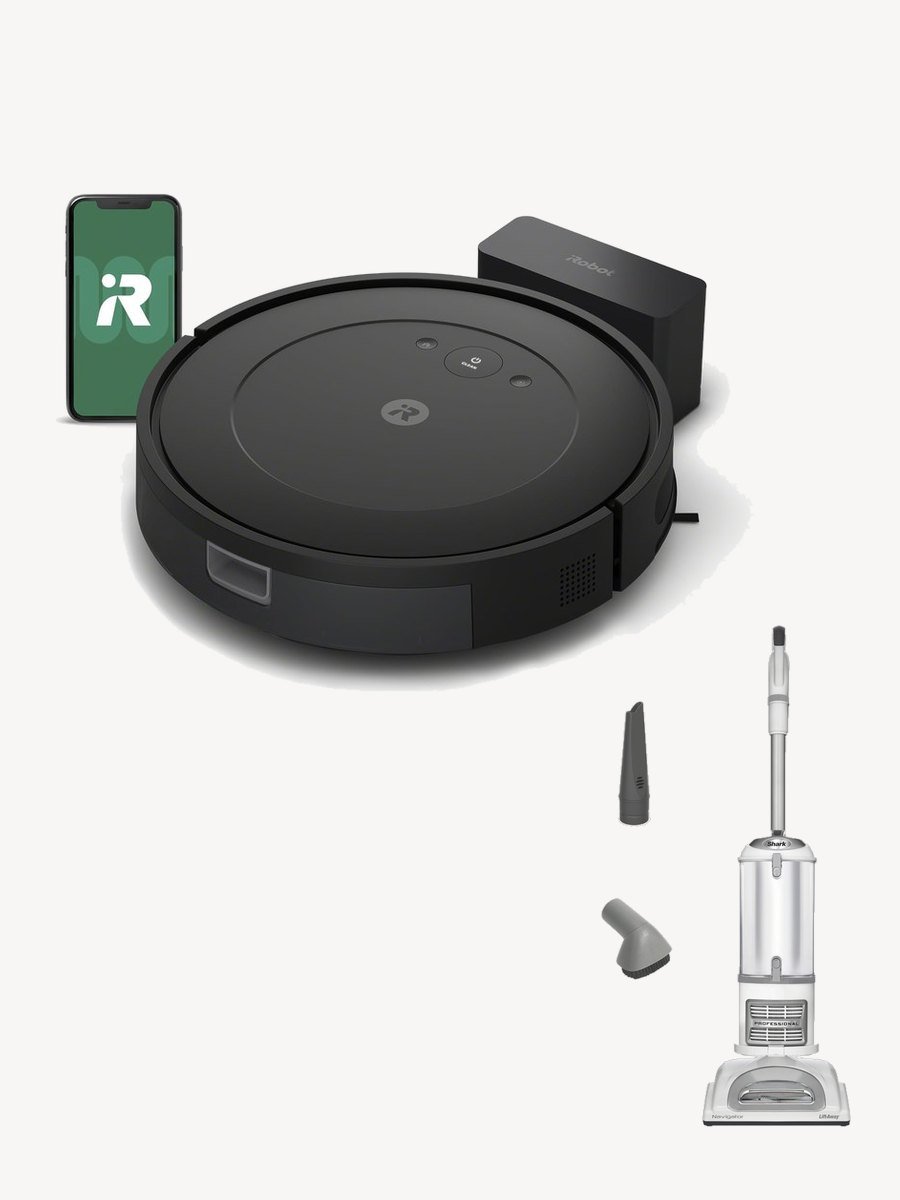
Mapping is the feature people overbuy. It matters if you want room-by-room commands or keep-out zones around something that cannot be moved. On a single open level where cables can be clipped up, a robot that simply cleans in neat rows gets the floor just as clean; our review of the Roomba Vac Essential covers what that end of the range does and does not do.
Found this review helpful?
Pin it to one of your boards and come back to it whenever you need a reminder.




No comments yet.
Join the discussion. Comments are moderated before appearing.