Headphone boxes list dozens of features; six of them decide the purchase. This guide covers those six in order of importance, and names the ones you can safely ignore.
One: do you actually need noise cancelling?
For planes, trains and open offices, yes. At home in a quiet room it eats battery, adds to the price and makes very little difference. Decide where you will use them before you decide how much to spend, because cancelling is most of the price gap in this category.
It also helps to know what cancelling is good at. Active cancelling works best on steady low-frequency sound: engines, air conditioning, road roar. It works least well on sudden, changing, higher-pitched sound, which is exactly what human voices and keyboards are. This is physics rather than a brand failing. If your enemy is an aircraft, any decent pair solves it. If your enemy is the person on a call two desks away, only the best pairs make a real difference, and even they reduce rather than remove it.
Two: battery, measured rather than printed
The printed figure is measured with cancelling off at moderate volume. Expect roughly two thirds of it in daily use with cancelling on, and less again in cold weather. What matters more than the headline number is the shape of your charging habit: over-ears with thirty hours become a weekly charge, earbuds with six hours become a daily one.
Fast charging is the specification worth reading. Three to five minutes for a couple of hours of playback rescues the morning you forgot; a long headline number does not.
Three: comfort takes longer than a shop visit
On over-ears, clamping force and pad depth decide whether hour three is pleasant. Glasses complicate it, because arms break the seal and a stiff clamp presses them into your head. On in-ears it comes down to tip size, and the supplied medium tip fits fewer people than manufacturers imply.
Buy from somewhere with a return window and wear them for a full working day before deciding. Nothing about comfort is knowable in ten minutes, and the pair that felt best in the shop is often the pair that aches by the afternoon.
Four: codecs, connections and the one feature worth having
Codecs get more attention than they deserve. Anything beyond what your phone supports is wasted: LDAC does nothing on an iPhone, and Apple's AAC implementation is good enough that most listeners cannot pick it from anything else on a commute. If you have an Android phone and high-resolution files, LDAC or aptX are worth having; otherwise this row is noise.
Multipoint is the feature that actually improves daily life. Two devices connected at once, so a call on the phone interrupts the laptop and hands back afterwards, removes a dozen small annoyances a week. Check that it is present, and check reviews for whether it works reliably, because implementations differ more than specifications suggest.
Five: the microphone, if you take calls
Call quality is the specification that is hardest to judge from a box and easiest to judge from a review, because you can hear it. Listen to the sample recorded outdoors; wind is where cheap microphone arrays fall apart, and an indoor sample tells you almost nothing. Stemmed earbuds generally beat stemless ones here, because the microphone sits closer to your mouth.
Six: warranty and the parts that wear out
Headphones rarely break. They wear out, and always in the same places.
| Part | Typical life | Replaceable? |
|---|---|---|
| Earpads (over-ear) | 1–3 years | Usually, and cheaply |
| Eartips (in-ear) | 6–12 months | Yes, including third-party foam |
| Battery (over-ear) | 3–5 years | Sometimes, via service |
| Battery (earbuds) | 2–3 years | Rarely; often a new pair |
| Headband hinge | Varies wildly | Almost never |
A model with no replacement pads available is a one-year headphone at a two-year price. For earbuds, the battery is the clock on the whole product, which is worth factoring into what looks like a small price difference.
What you can ignore
Driver diameter, which tells you nothing about sound on its own. Frequency response numbers quoted beyond human hearing. "Hi-res" logos on a Bluetooth product. Bundled spatial audio modes, which are fun for a week. And any claim about cancelling expressed as a percentage, since there is no shared test behind those figures.
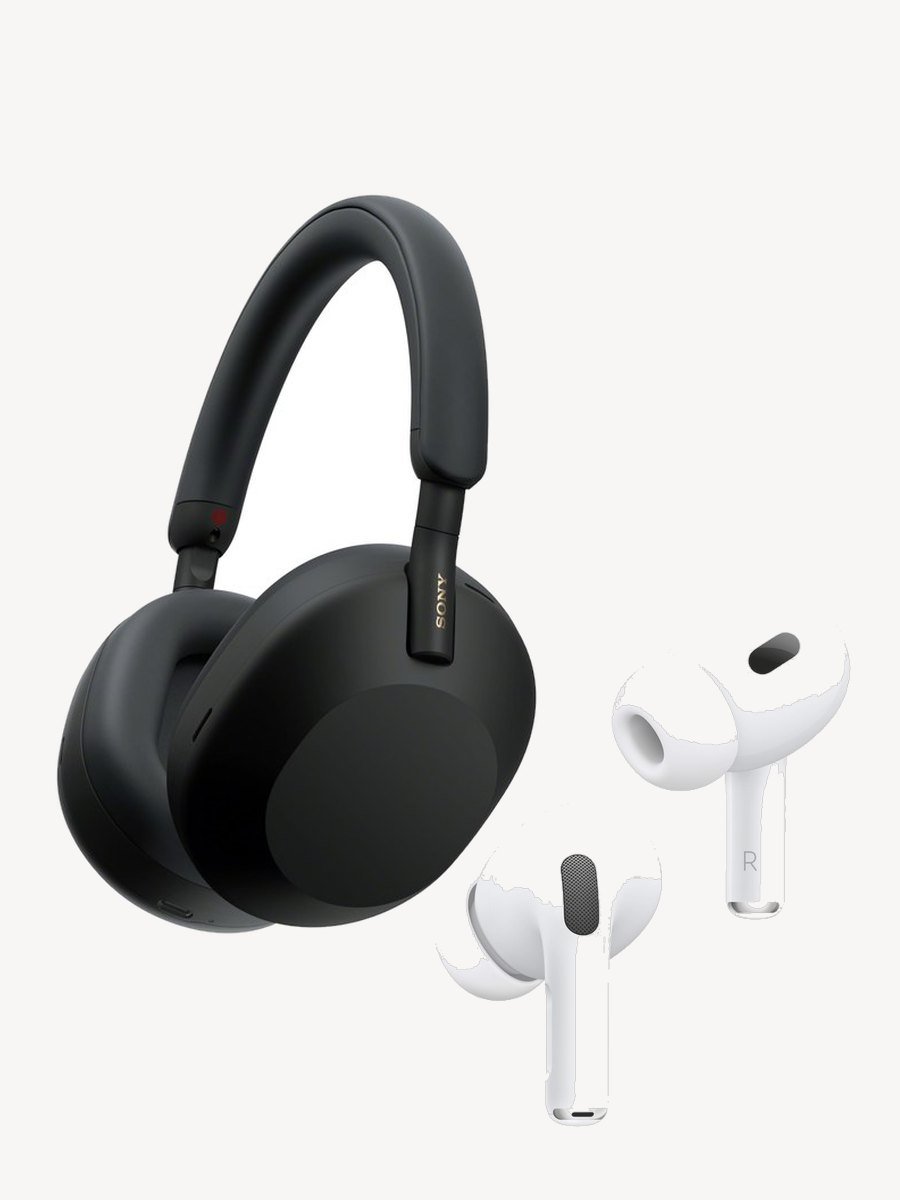
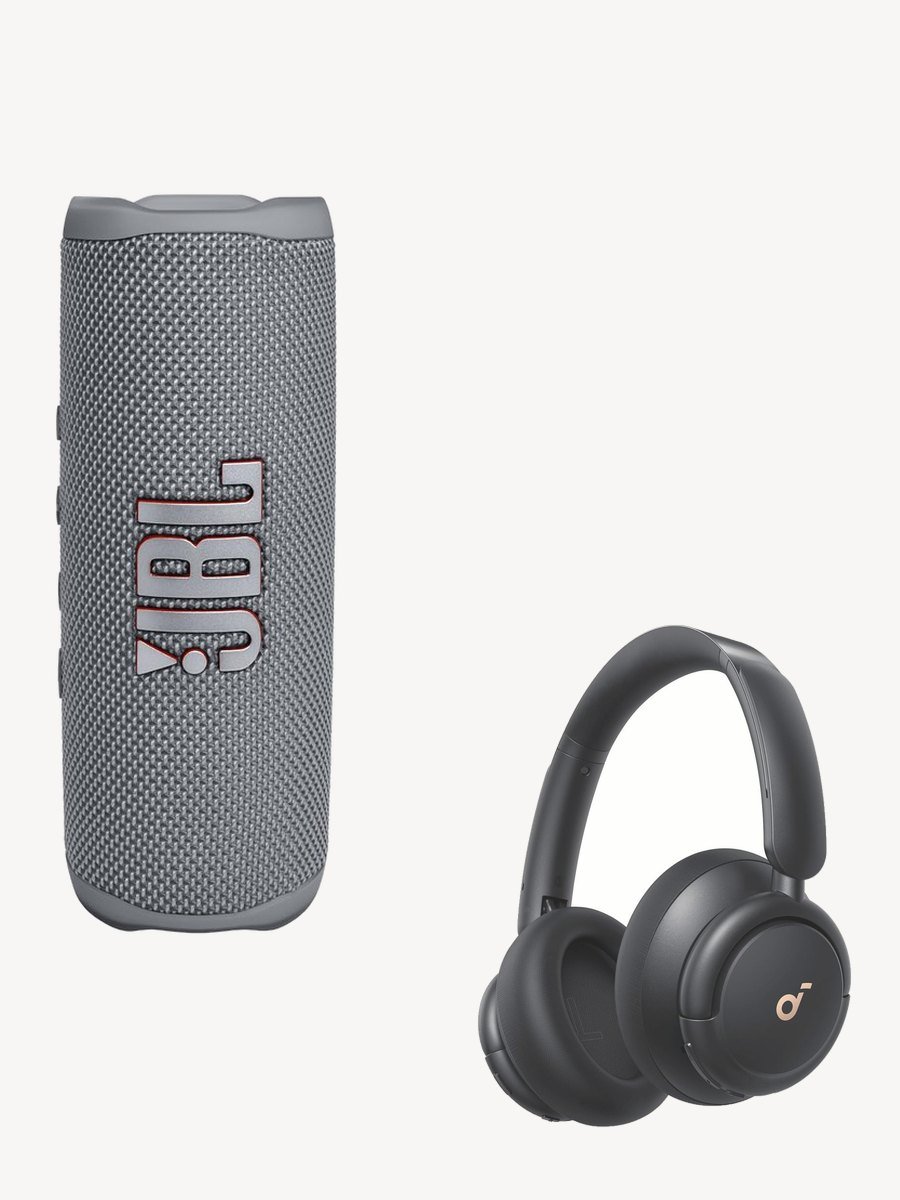
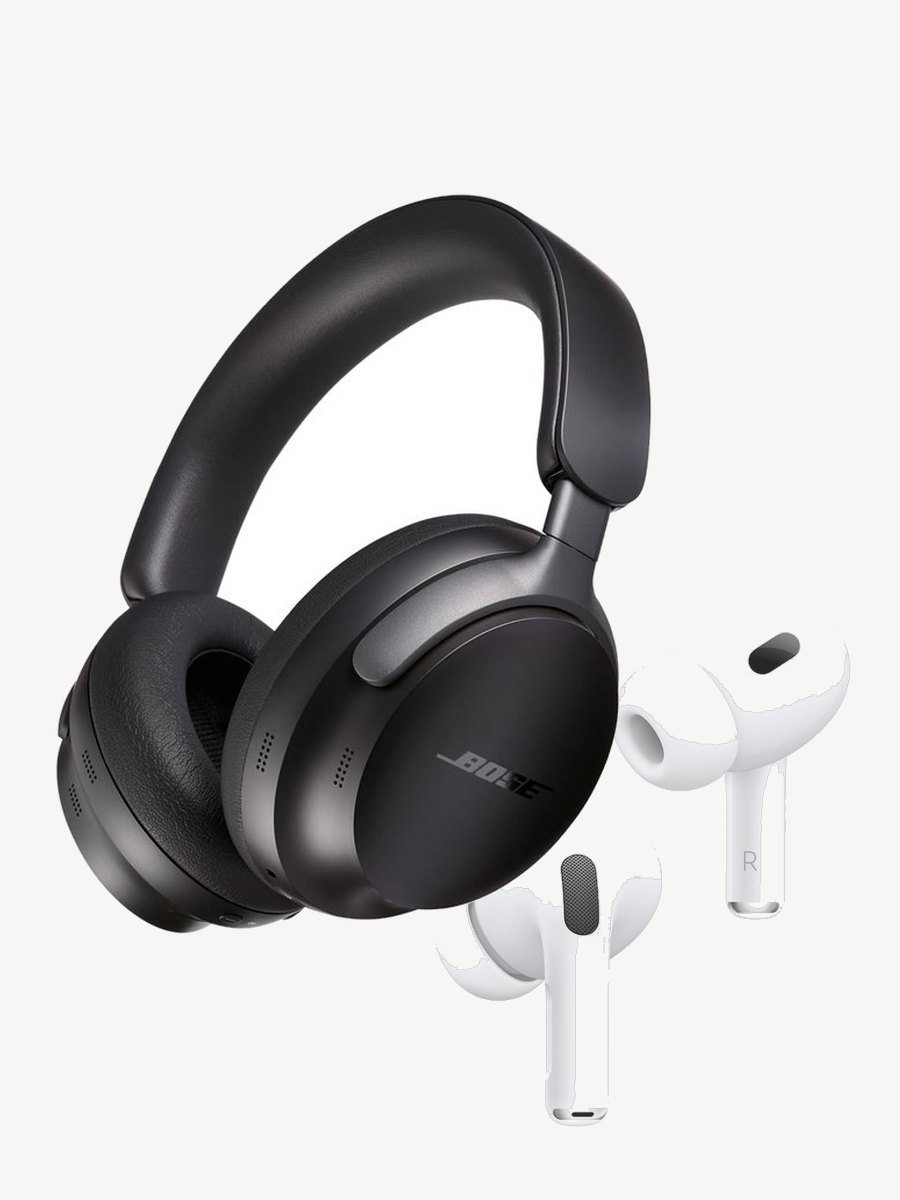
If you want to see how these six play out against real products, our reviews of the Sony WH-1000XM5, the Bose QuietComfort Ultra and the Soundcore Q30 cover the same ground at three very different prices.
Found this review helpful?
Pin it to one of your boards and come back to it whenever you need a reminder.

No comments yet.
Join the discussion. Comments are moderated before appearing.