Buy the Bose QuietComfort Ultra if you wear headphones for hours at a stretch and comfort decides whether you keep reaching for them. Buy the Soundcore Q30 if you want most of the cancelling experience, a battery you rarely think about, and you do not mind using an app to tune the sound.
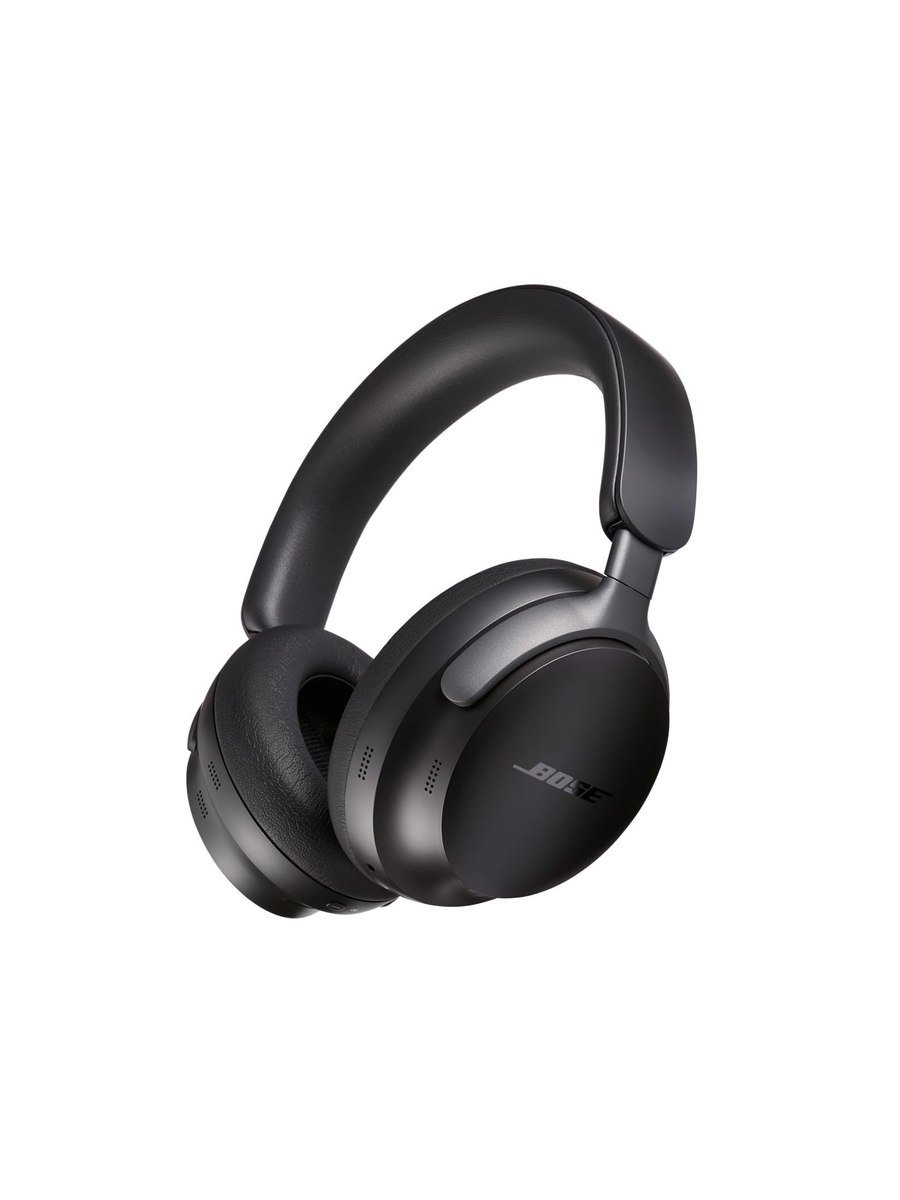 Bose QuietComfort Ultra Headphones | 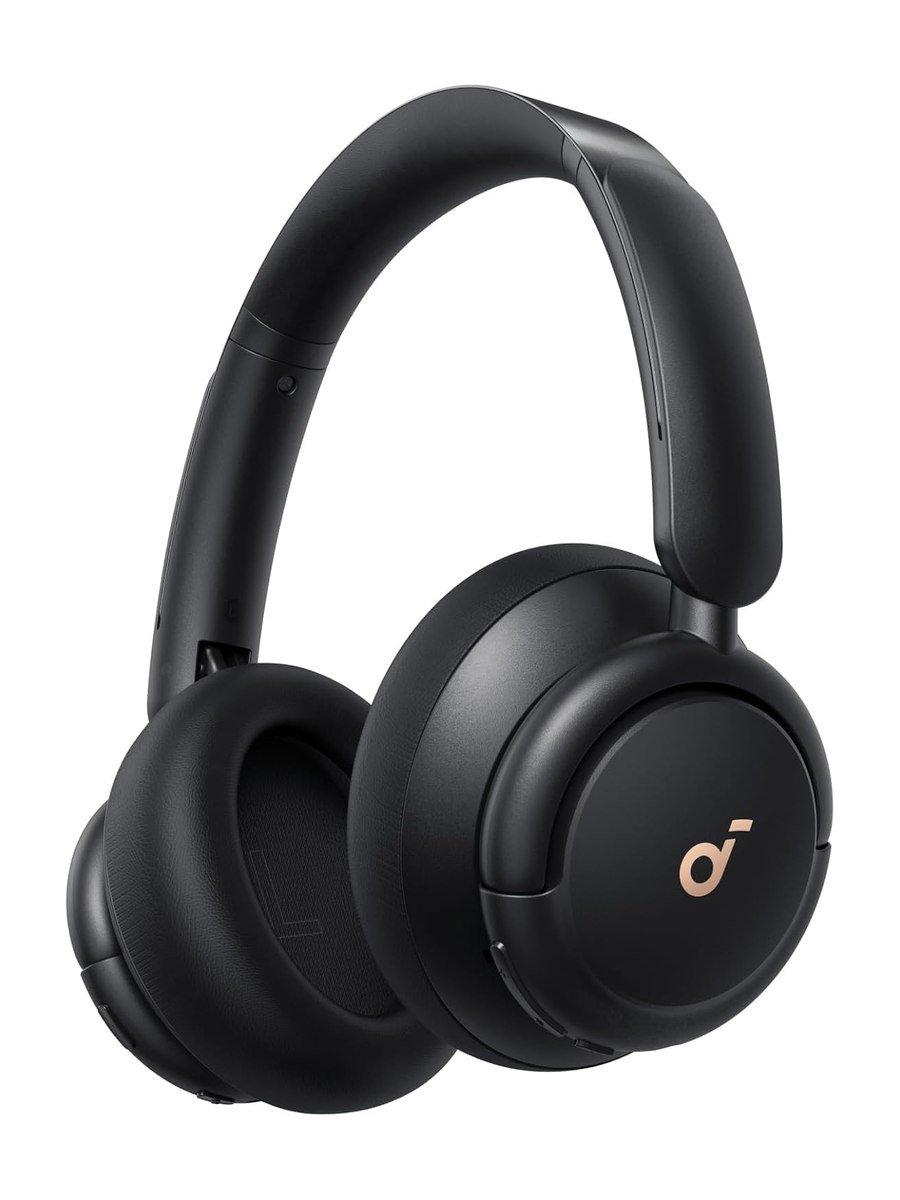 Soundcore by Anker Q30 Hybrid Active Noise Cancelling Headphones | |
|---|---|---|
| Score | 4.6 | 4.4 |
| Price | - | - |
| Type | Closed-back, over-ear | Closed-back, over-ear |
| Battery (ANC on) | Up to 24 h | Up to 50 h |
| Battery (Immersive Audio) | Up to 18 h | - |
| Charging | USB-C | USB-C, fast charge supported |
| Bluetooth | 5.3, multipoint for 2 devices | 5.0, multipoint on current firmware |
| Codecs | SBC, AAC, aptX Adaptive | SBC, AAC |
| Range | About 9 m | - |
| Modes | Quiet, Aware, Immersion | - |
| Controls | Buttons plus touch volume strip | - |
| In the box | Case, USB-C cable, 2.5 mm to 3.5 mm cable | Hard case, USB-C cable, 3.5 mm cable |
| Drivers | - | 40 mm silk diaphragm |
| Microphones | - | 4 (2 per cup) |
| Pads | - | Protein leather over memory foam |
| Wired | - | 3.5 mm supported |
As an Amazon Associate we earn from qualifying purchases. Links on this page may be affiliate links; we may earn a commission at no extra cost to you.
Both are closed-back, over-ear, USB-C pairs with multipoint support. The differences show up in how they feel on your head, how evenly they cancel, and how long the battery lasts.
The basics side by side
| Spec | Bose QuietComfort Ultra | Soundcore Q30 |
|---|---|---|
| Type | Closed-back, over-ear | Closed-back, over-ear |
| Battery (ANC on) | Up to 24 h | Up to 50 h |
| Charging | USB-C | USB-C, fast charge supported |
| Bluetooth | 5.3, multipoint for 2 devices | 5.0, multipoint on current firmware |
| Codecs | SBC, AAC, aptX Adaptive | SBC, AAC |
| In the box | Case, USB-C cable, 2.5 mm to 3.5 mm cable | Hard case, USB-C cable, 3.5 mm cable |
Check the current price on both before you decide.
Comfort: the clearest reason to pay more
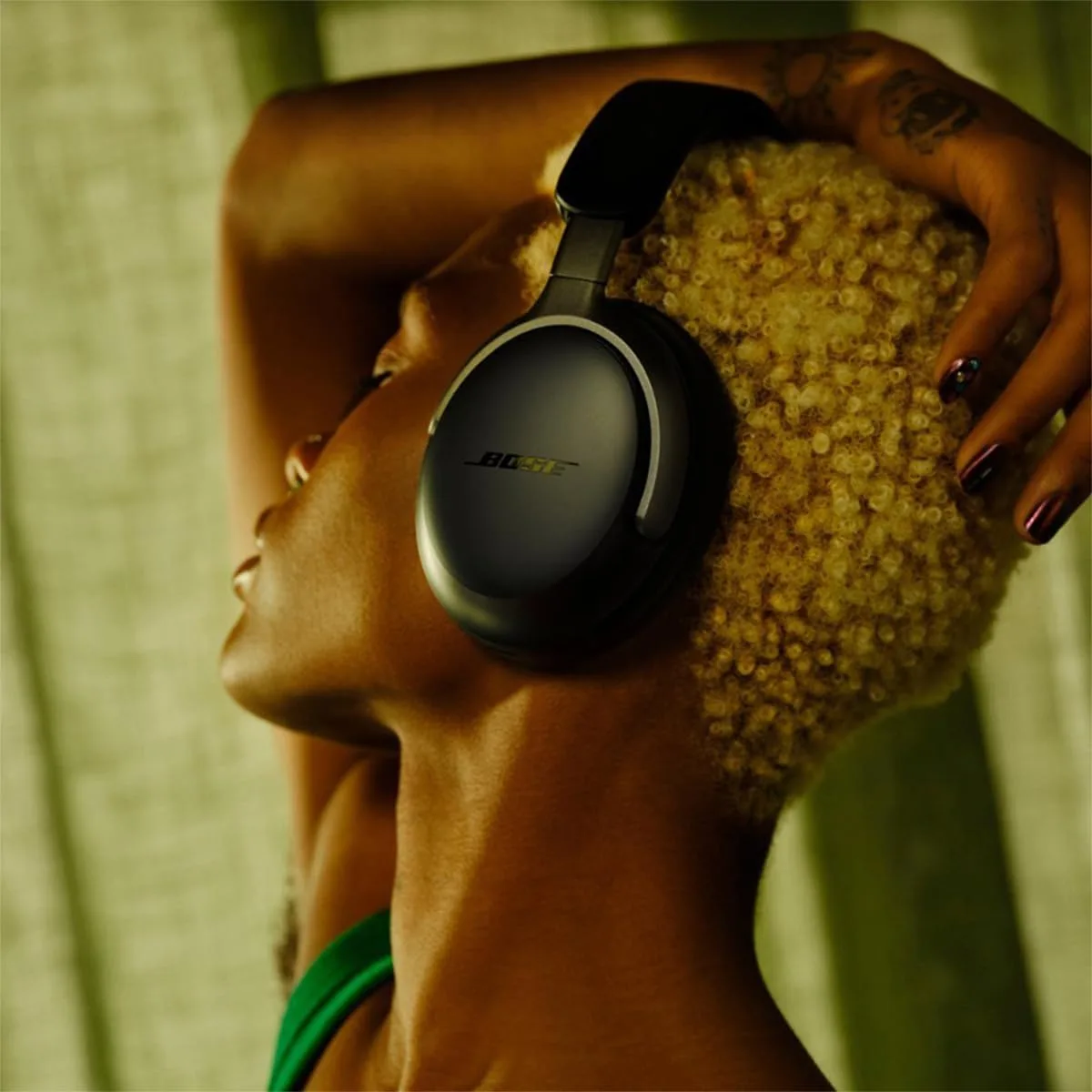
The Bose uses an even-pressure headband that spreads weight across the crown instead of two contact points. That sounds like a small engineering note until you wear a pair for a long flight. Owners describe it almost uniformly: you forget they are on.
The Q30 is not uncomfortable. It has protein leather over memory foam, a plastic body that keeps weight down, and ear cups that rotate up to 15 degrees to follow the shape of your head. Owners also mention that the cups warm up during long sessions, and that the hinge area does not like being forced.
So the question is how long your sessions run. Comfort is the one thing a spec sheet will not tell you, and for full workdays or long trips it is where the Bose earns its place.
Cancelling: even coverage versus strong low end
The Q30 uses hybrid cancelling, with two microphones per cup, and Soundcore targets up to 95% of low-frequency noise. It also offers three named modes, Transport, Outdoor and Indoor, each tuned for a different kind of noise. In our review, those modes actually differ in practice rather than just in name.

The catch is mid-range sound, which still gets through on the Q30. If your noise is mostly low rumble, that matters less. If it is mid-range sound such as voices, it matters more.
The Bose measures your ear at start-up. CustomTune plays a tone each time you power on and adapts both cancelling and EQ to what it finds. The result, according to our review, is cancelling that stays even across frequencies instead of excelling only at rumble.
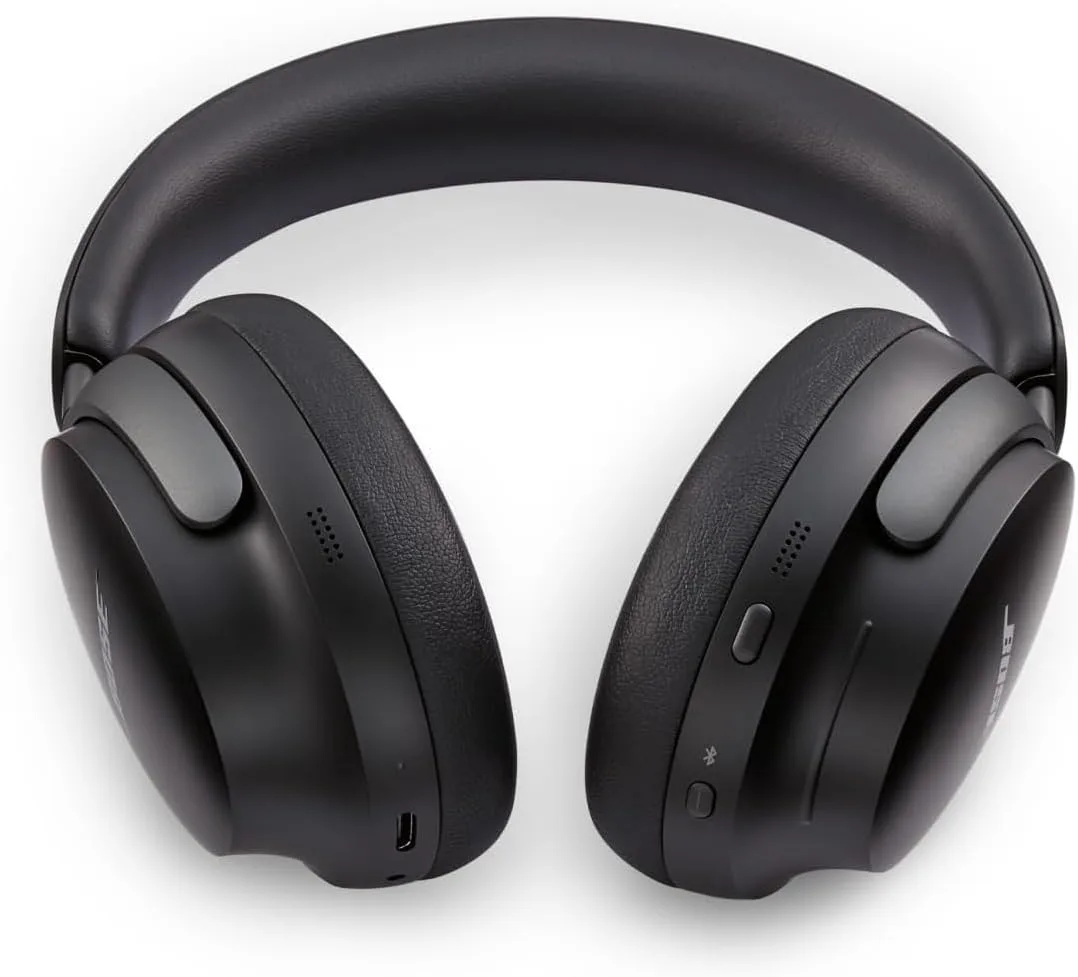
The Bose also has an Aware Mode that owners say sounds open rather than microphone-fed, and ActiveSense, which clips sudden loud noises while you are in that mode. People arriving from rival pairs often single out the naturalness of the transparency. If you often pull the headphones half off to talk to someone, or walk through traffic with them on, you will use this a lot.
Battery: the Q30 is far ahead
This is the reverse of the comfort story. The Q30 is rated for up to 50 hours with cancelling on, and owners describe forgetting when they last charged it. It supports fast charging as well.

The Bose is rated up to 24 hours with cancelling on, and our review calls that the weakest number here. Switch on Immersive Audio and it falls to about 18 hours. Owners repeat this observation, and most end up saving Immersive Audio for films instead of leaving it on.
The shortfall starts to matter if you travel for long stretches without easy access to a charger, or if you simply dislike having one more device to top up. For that buyer, the Q30 makes battery a much smaller concern.
Sound: tuned out of the box versus tuned by you
The Q30 has 40 mm silk-diaphragm drivers, 22 EQ presets and a custom curve in the Soundcore app that saves to the headphones. Its default tuning is bass-heavy. Owners say the first thing most of them do is change it in the app, and that complaints about the sound usually come from people who skipped that step.

You are expected to do some of the tuning work yourself. Treat the app as part of the purchase.
The Bose handles it differently. CustomTune adapts EQ to your ear, and Immersive Audio places sound in front of you. It works with any stereo source. If you want to put the headphones on and listen without opening anything, the Bose asks less of you. If you enjoy adjusting, the Q30 gives you plenty to adjust.
Connections and everyday use
Both pairs support multipoint, so you can keep a phone and a laptop connected at once. The Bose uses Bluetooth 5.3 with SBC, AAC and aptX Adaptive, which matters if you have an Android phone that can use it. The Q30 uses Bluetooth 5.0 with SBC and AAC, and multipoint works on current firmware, so update it before judging.
Owners report that switching between two connected devices on the Bose can occasionally stutter, though updates have reduced it. That is worth knowing if you swap between devices constantly. On the Q30 side, the microphones are weak for meetings, so if calls are a big part of your day, treat that as a real limit and not a footnote.
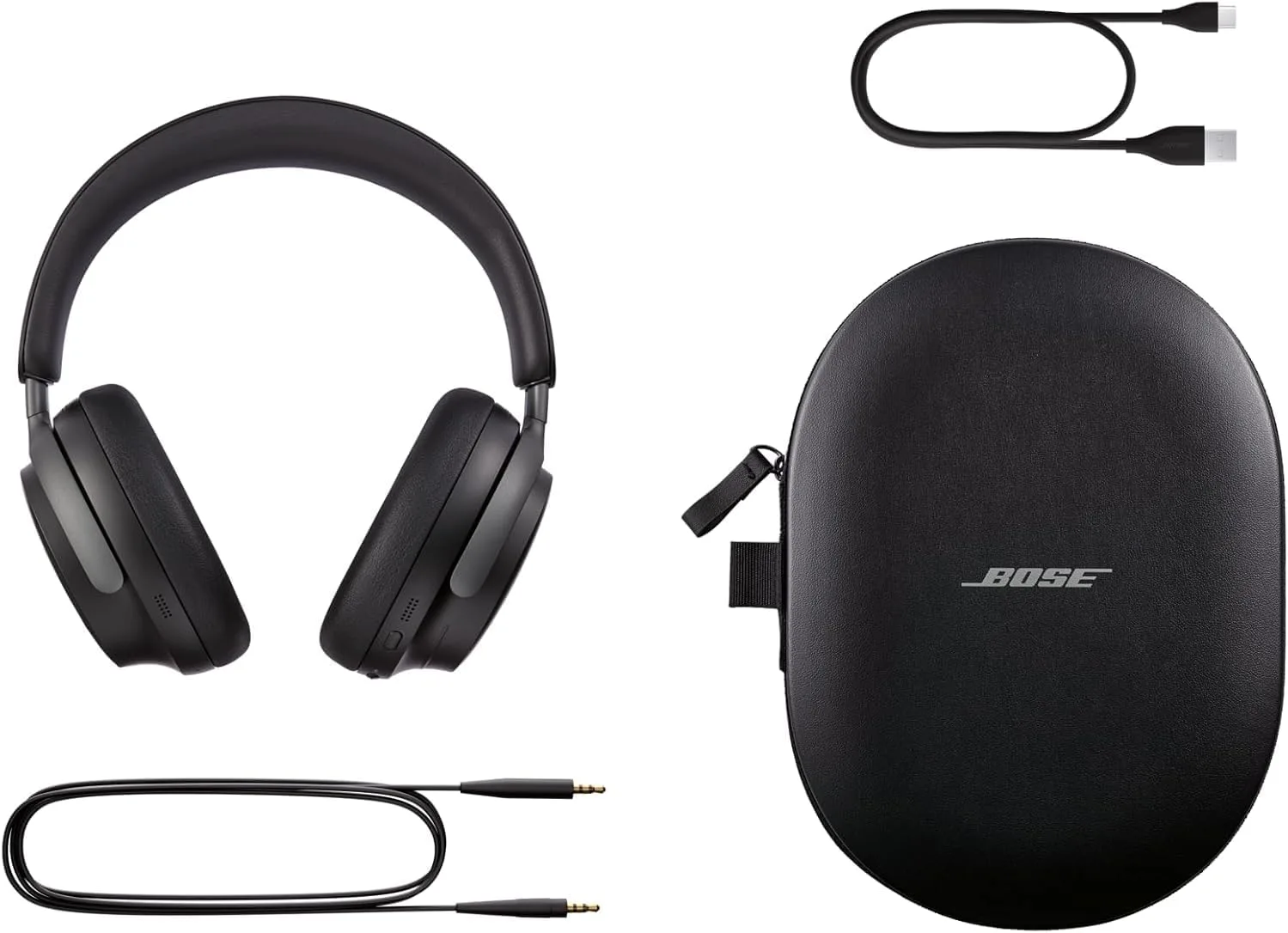
On wired use, the Q30 supports a 3.5 mm connection and includes a cable and a hard case. The Bose includes its own case and a 2.5 mm to 3.5 mm cable. Neither will leave you stranded without a way to plug in.
One practical detail: the Bose uses buttons plus a touch volume strip, and our review calls the strip fiddly compared with a button. If you adjust volume constantly by feel, that may irritate you more than anything on the spec sheet.
Verdict
The Bose wins on the things you feel every day. It is more comfortable over long wear, its cancelling is more even, and its transparency mode sounds more natural.
The Q30 is the stronger pick on battery life. You get cancelling that handles low-frequency noise well, a battery figure nothing else here comes close to, and a hard case, in exchange for some mid-range leakage, a bass-heavy default and weaker microphones. Use the app equalizer and it becomes a much better pair than its out-of-the-box sound suggests.
Pick the Bose if your sessions are long and comfort is the point. Pick the Q30 if battery life matters more than polish.

Found this review helpful?
Pin it to one of your boards and come back to it whenever you need a reminder.

No comments yet.
Join the discussion. Comments are moderated before appearing.