Open-fit noise cancelling works, but it gives you a quieter commute, not a silent one. If ear tips are the reason you stopped wearing earbuds, that trade is usually worth making, as long as you confirm the buds stay put in your ears before the return window closes.
Most advice about noise cancelling assumes a tight seal. Silicone tips block sound physically, and the electronics handle what is left. Take the tips away and the physical block goes with them, so the cancelling has to do more of the work with less help.
That is the honest starting point. An open design can make a bus, train or office noticeably calmer. It will not match a sealed pair on the same job. Whether that gap matters depends on what you hear on your commute and how much you dislike the feel of tips. The rest of this guide is about making that call with checks you can run yourself.
First, work out what you actually dislike
“I hate ear tips” covers a few different problems, and they have different fixes.
- Pressure or a plugged feeling. This is the classic complaint, and it is what an open design removes. Nothing is pushed into the canal.
- Soreness after an hour or two. Often caused by a tip that is too large or too firm. Trying another size from a sealed pair sometimes solves it, but if it does not, open-fit is the sensible next step.
- Hygiene or the hassle of cleaning tips. An open design reduces this, though you still need to wipe the buds now and then.
- Tips that will not stay sealed. This is a fit problem, not a comfort problem, and open-fit may not fix it. More on that below.
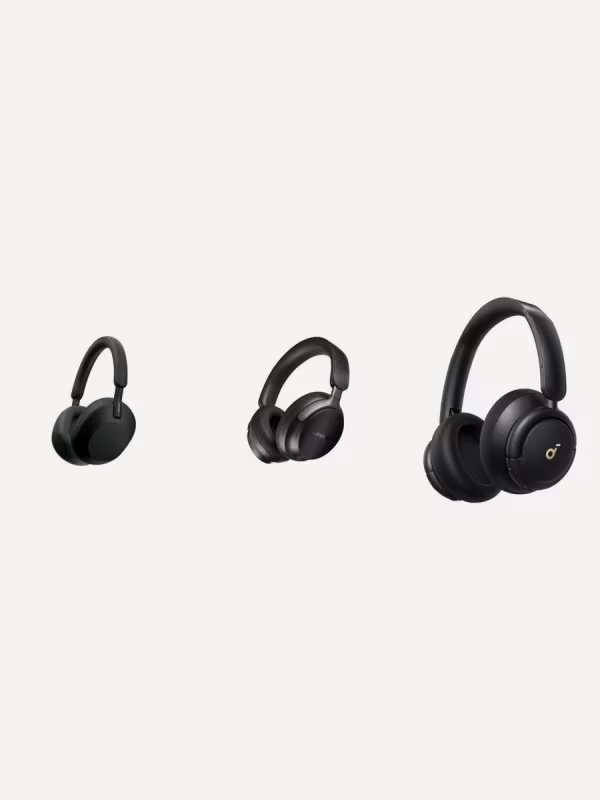
A quick check: wear any tipped earbuds you own for a normal commute and note where the discomfort starts. If it is pressure inside the ear, you are the target reader for this guide. If it is a general dislike of anything in or on your ears, consider headphones that sit over the ear instead, such as the Sony WH-1000XM5.
What actually matters
1. How well the buds stay in your ear
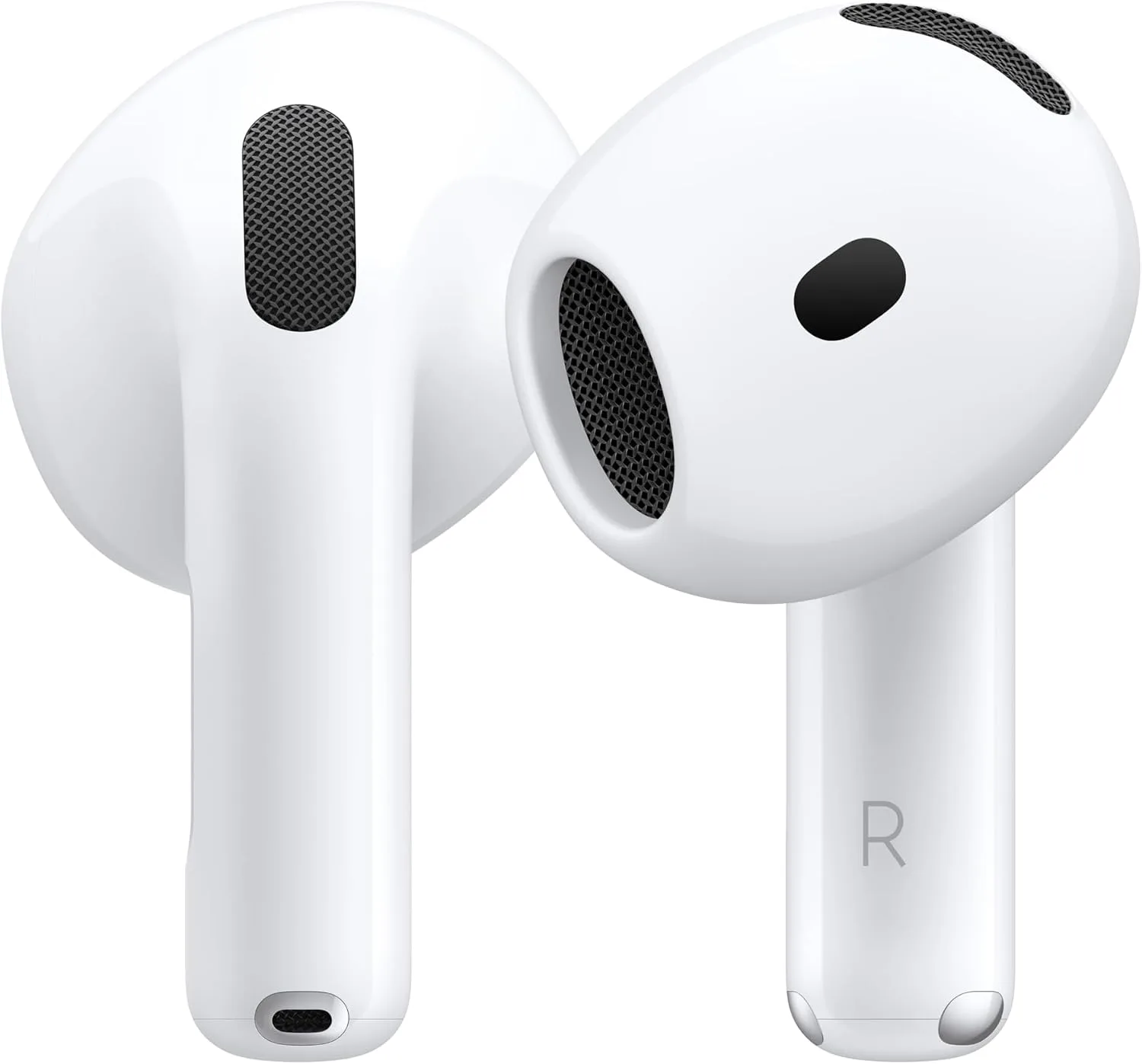
This is the factor that decides everything. A sealed earbud is held in place partly by the tip. An open one relies on the shape of the bud and the shape of your ear. Owners of open-fit AirPods split on this: some find them secure all day, while buyers with smaller or unusual ear shapes report them slipping.
The check: put them in, then shake your head side to side, nod firmly, and walk up and down a flight of stairs. If a bud shifts or you keep nudging it back, it will annoy you on a moving train. Do this in the first days, not in week three, and know the return policy before you open the box.
2. The kind of noise you want gone
Cancelling is generally better at steady, droning sound than at sudden or sharp sound. Engines, air conditioning and the hum of a train car are the easy targets. Conversations and station announcements are harder for any pair, and harder still without a seal.
The check: listen to your own commute for a minute without headphones. If it is mostly a low rumble, an open design has a good chance of taking the edge off. If it is mostly voices and clatter, expect less improvement and consider whether a sealed pair or over-ear headphones suit you better.
3. Transparency and automatic modes
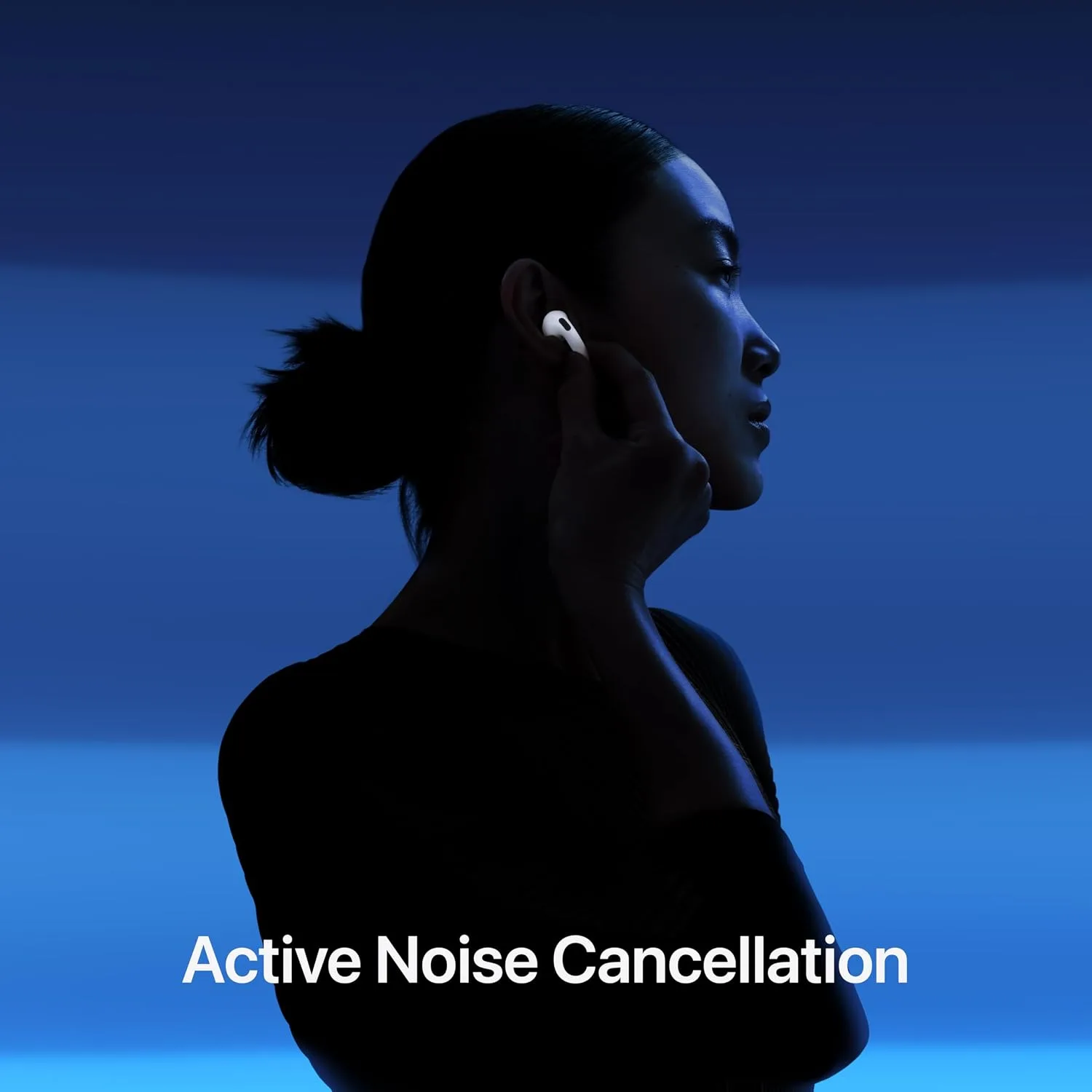
Open-fit buds let in some outside sound by design, and a good adaptive mode still helps. On the AirPods 4, Adaptive Audio blends cancelling and Transparency depending on your surroundings, and Conversation Awareness is part of the H2 chip feature set. Owners rate Adaptive Audio and Transparency well.
The check: walk from a quiet room to a street and back with the mode set to automatic. Notice whether the changes feel natural or whether you hear the pair “deciding.” Then try a manual mode and see which you prefer at a crossing or a station platform.
4. Battery with cancelling switched on
Battery figures usually quote the best case. For the AirPods 4 with Active Noise Cancellation, that is up to 5 hours of listening, or up to 4 hours with cancelling on. With the case, it is up to 30 hours, or up to 20 hours with cancelling on. Owners report mixed experiences with battery and reliability.
The check: add up your listening in a day, including calls. If you commute an hour each way and listen at work, a single charge with cancelling on will not cover it, so you need to be comfortable topping up from the case during the day.
5. Call quality in noise
Commuters take calls. Voice Isolation on the AirPods 4 is aimed at making your voice clearer, and owners say calls come across clearly.
The check: call someone from a noisy spot, like a busy street, and ask how you sound. Ask them, not yourself, because you will hear yourself fine either way.
6. Durability and the warranty
A minority of owners describe one earbud failing within months. That does not mean yours will, but it is a reason to keep the receipt and register the warranty on day one. The AirPods 4 earbuds and case are both rated IP54 for water and dust.
The check: before you buy, confirm where you would take a faulty bud and what proof you would need.
What to ignore
- Spatial audio as a buying reason. Personalized Spatial Audio with head tracking is a nice extra for films and games, but it does nothing for a noisy commute. Do not let it break a tie against a better fit.
- The word “noise cancelling” on its own. It describes a feature, not a level. An open design and a sealed design can both use the label and still give you different amounts of quiet.
- Case extras. A small case with USB-C and wireless charging is convenient, and the AirPods 4 case also has a speaker for Find My. Still, a case does not change how the buds sound or fit.
- Head gestures. Nodding or shaking your head to answer Siri is a minor extra, not a reason to pick one pair over another.
Common mistakes
- Expecting sealed-bud silence. If you want the deepest quiet on a loud train, an open design will disappoint. The AirPods 4 verdict is blunt on this: the quiet is real, but lighter than a sealed pair like the AirPods Pro.
- Testing fit while sitting still. Almost any earbud feels secure at a desk. Move around before deciding.
- Assuming comfort equals fit. A bud can feel great and still slip. Owners with smaller or unusual ear shapes say that is the trade-off of no tips.
- Ignoring your phone. Some of the best features, like instant pairing and switching, depend on Apple devices. Check how the pair works with your own phone before buying.
- Skipping the paperwork. With a minority of reports about early failures, a lost receipt is an avoidable problem.
- Buying the wrong format entirely. If any in-ear product bothers you, no earbud design may be right, and headphones may suit you better.
Which buyer should pick which kind of product
| If this describes you | Consider |
|---|---|
| Tips cause pressure or soreness, you use an iPhone, and your commute is mostly steady noise | Open-fit earbuds with cancelling |
| You want the quietest result and can tolerate a proper seal | Sealed earbuds, trying tip sizes carefully |
| Anything in your ear bothers you | Over-ear headphones |
| You need to hear your surroundings while you listen | Open-fit, with Transparency or Adaptive Audio |
| Your ears are small or an unusual shape and earbuds usually fall out | Try before you commit, or consider headphones |
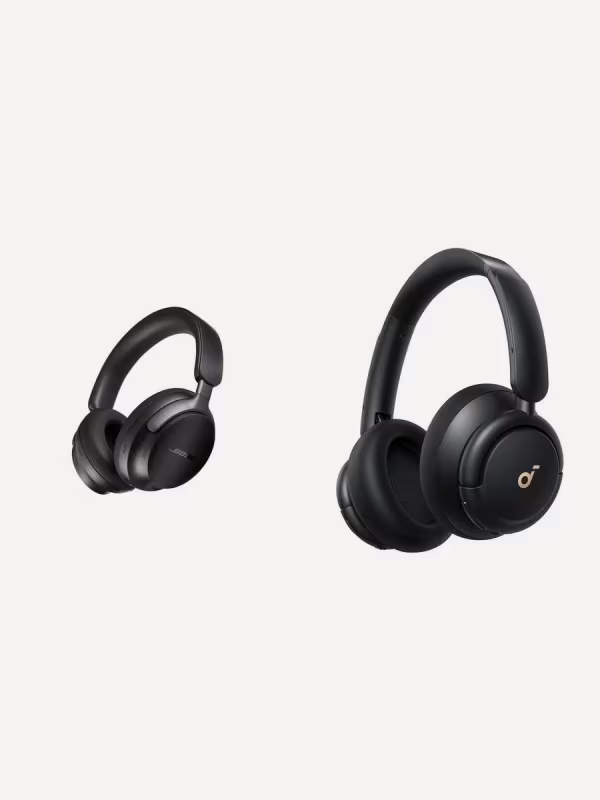
If you are leaning toward over-ear headphones, our reviews of the Bose QuietComfort Ultra Headphones and the Soundcore by Anker Q30 cover that format. They are a different product type from earbuds, and the right choice depends on how much bulk you are willing to carry.
Where our catalog fits
For this specific problem, the product we recommend is the Apple AirPods 4 with Active Noise Cancellation. It is built around the exact idea in your search: noise cancelling in an open-fit design with no ear tips. It is best for iPhone users who find silicone tips uncomfortable but still want quieter commutes.
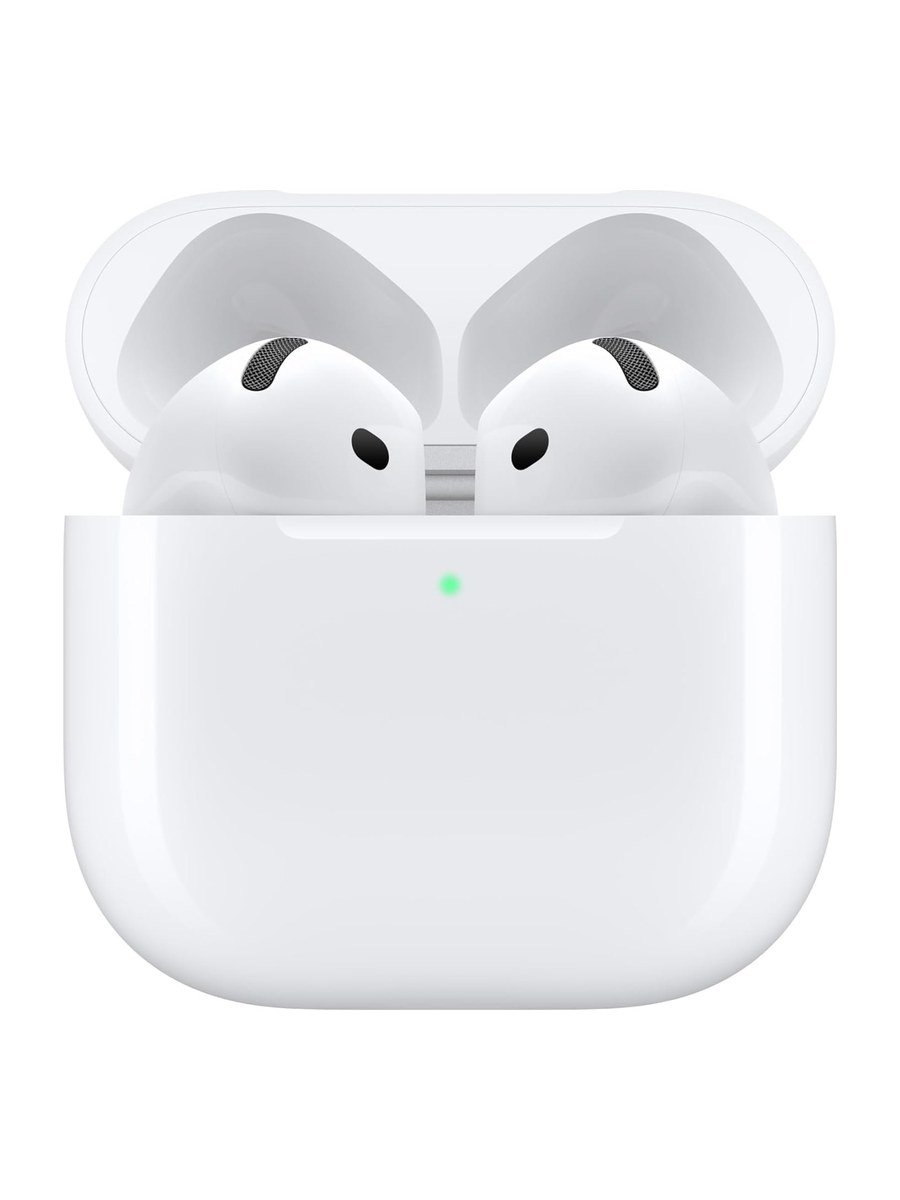
The most comfortable way to get noise cancelling if you hate ear tips. The quiet is real but lighter than a sealed pair like the AirPods Pro.
As an Amazon Associate we earn from qualifying purchases. Links on this page may be affiliate links; we may earn a commission at no extra cost to you.
Owners most often praise how well the cancelling works for an open design, and they say the bass fills out compared with older AirPods. Pros that come up include noticeably quieter buses and offices, Adaptive Audio and Transparency that work well, clear calls through Voice Isolation, and instant pairing and switching on Apple devices.
The downsides are the ones this guide has been pointing at. Cancelling is weaker than on sealed earbuds, fit depends heavily on ear shape, and battery life is shorter with cancelling on. If you can live with those, it is the most comfortable route to cancelling for people who dislike tips.
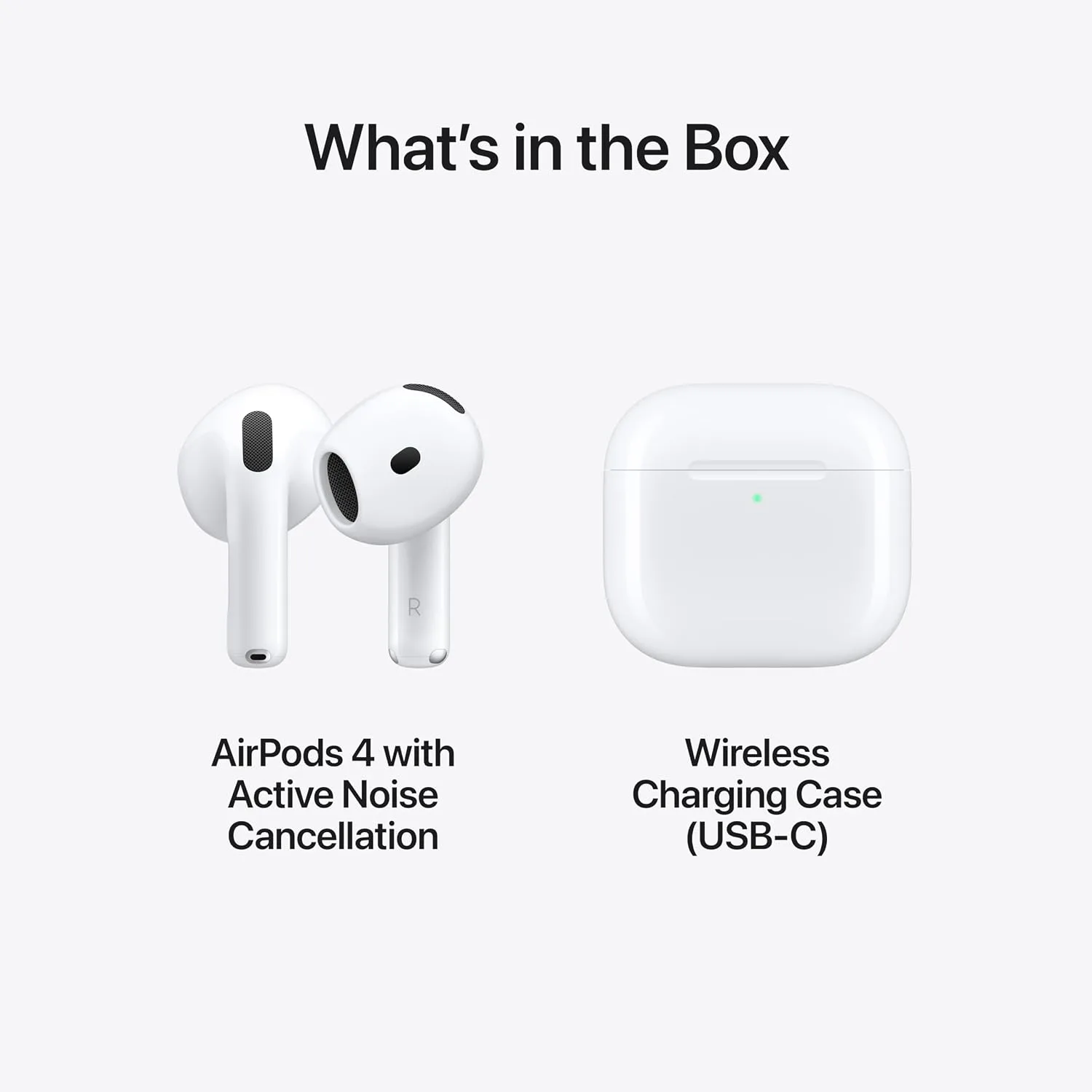
Check the current price on the product page, keep the receipt, and register the warranty. Then run the shake, nod and stair test as soon as they arrive. If the buds stay put and your commute is the steady-rumble kind, you are likely to be happy. If they slip, return them and try headphones before giving up on noise cancelling.
Found this review helpful?
Pin it to one of your boards and come back to it whenever you need a reminder.

No comments yet.
Join the discussion. Comments are moderated before appearing.