The Sony WH-1000XM5 is the best pick for most home offices: the strongest cancelling of the three, light enough to wear through a full workday, and much improved outdoor call quality. The Bose QuietComfort Ultra beats it on comfort alone, and the Soundcore Q30 wins on battery.
A home office rarely has the steady engine drone that cancelling is famous for. It has a dishwasher, a neighbor's mower, someone on a call in the next room. That is mostly mid-range noise, and it is the kind that separates a good pair from an average one. Comfort matters just as much, because a pair that squeezes your head by 2 p.m. ends up in a drawer.

Sony WH-1000XM5: best for the quietest focus
The Sony WH-1000XM5 uses two processors to drive eight microphones, and it is tuned for mid-range noise. In our review it came out as the quietest mainstream over-ear you can buy. For a home office, where the interruptions are voices and appliances rather than a steady rumble, that tuning is the point.
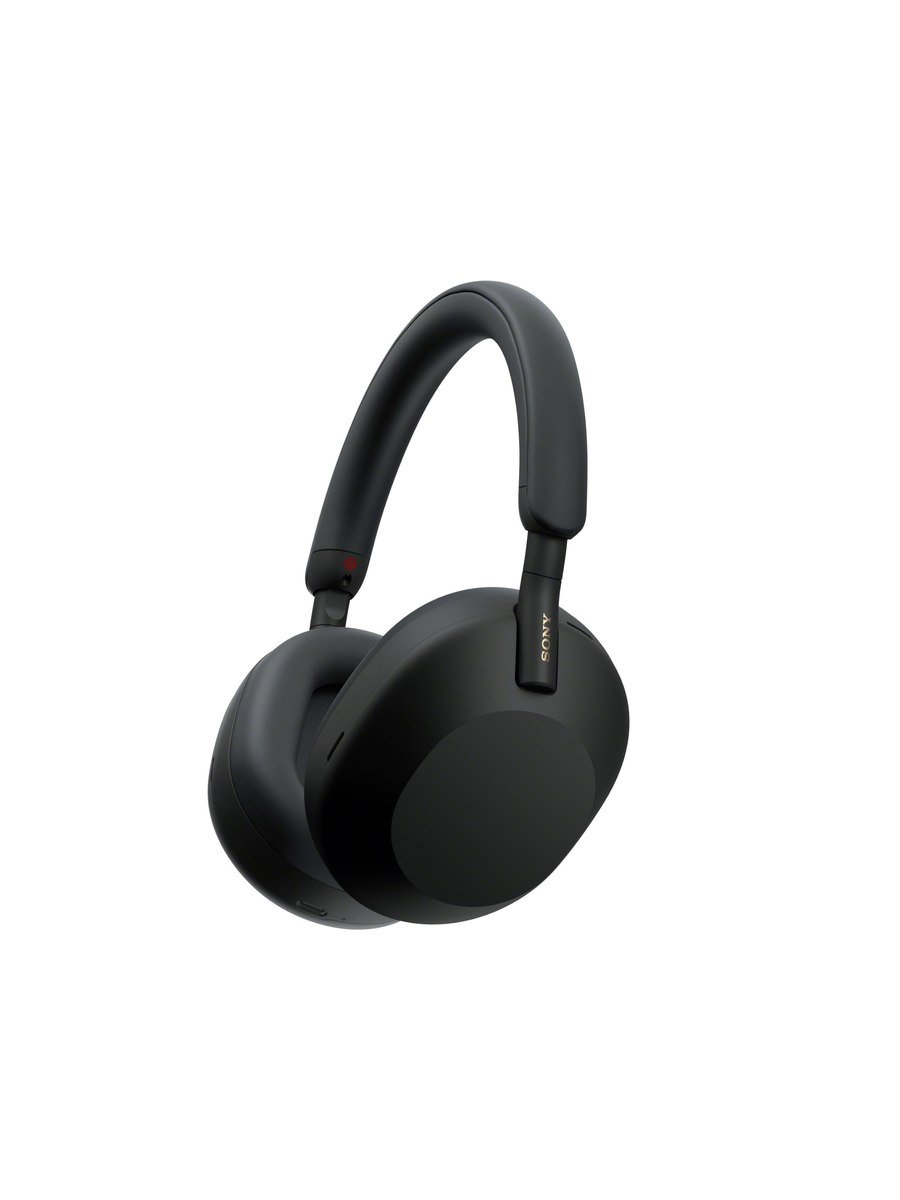
It weighs 250 g, and owners who came from the previous model point to a headband that does not create a pressure point, which is what you want over a long day. The Auto NC Optimizer adjusts cancelling for how the pads seal, including against glasses.
Outdoor call quality is much improved. Beamforming microphones with wind-noise reduction handle your voice, and Speak-to-Chat pauses your music and opens the mics when you start talking. Multipoint holds two devices reliably, so a laptop and a phone can stay connected at once. Battery is rated at up to 30 hours with cancelling on, and three minutes of quick charging gives about three hours of playback with a USB-PD adapter.

The trade-off
Speak-to-Chat can trigger on a cough, which is mildly irritating when you are listening to a long recording. Out of the box the sound is bass-heavy. The cups swivel but do not fold flat, so the case is bulky. That matters little if the headphones live on your desk and a lot if they travel in a backpack.
Who should skip it
If your day is mostly in rain or you wear gloves between the house and a coworking space, some owners report the touch surface registering stray commands. Buyers who want the most natural-sounding transparency mode, or who care most about comfort over every other number, should look at the Bose below.
Still the quietest mainstream over-ears you can buy, and now comfortable enough for a long-haul flight. The case no longer folds, which is the price of the redesign.
As an Amazon Associate we earn from qualifying purchases. Links on this page may be affiliate links; we may earn a commission at no extra cost to you.
Bose QuietComfort Ultra: best for all-day comfort
The Bose QuietComfort Ultra is the pair for people who live in their headphones. Almost every owner describes it the same way: you forget they are on. The headband spreads weight across the crown instead of two contact points, and our review calls it the most comfortable cancelling headphone you can buy.
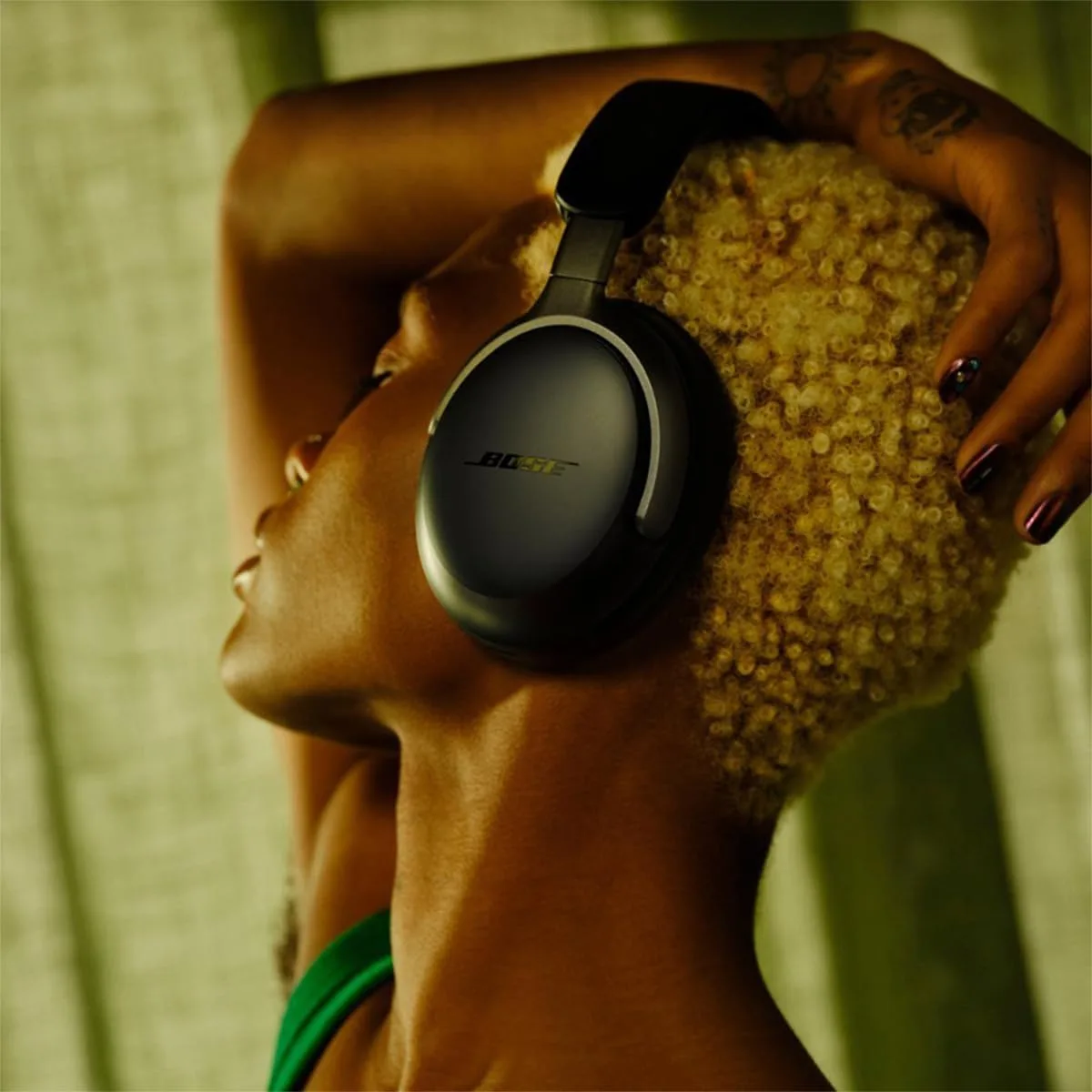
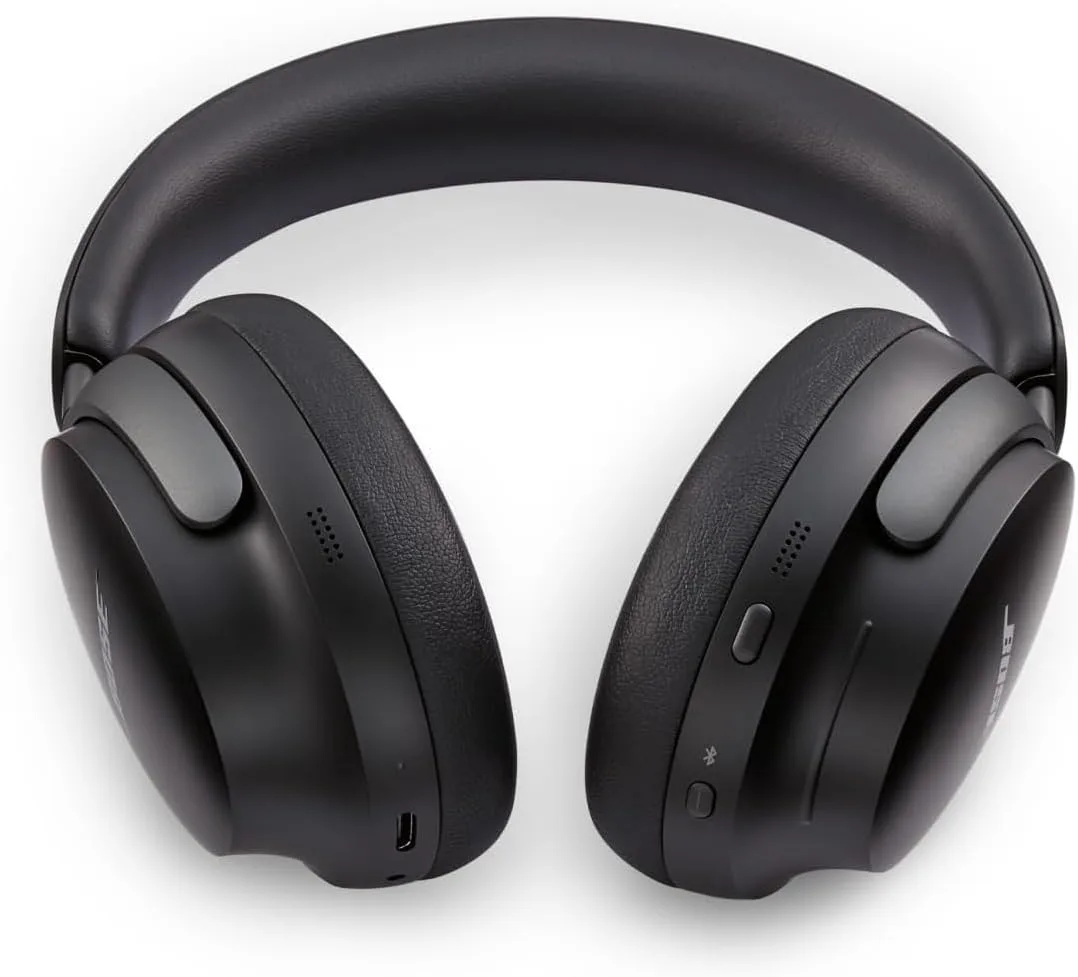
Cancelling is even across frequencies, not just rumble, and CustomTune plays a tone at start-up to measure your ear and adapt cancelling and EQ. That suits a desk job where you put them on in the morning and take them off at lunch. Aware Mode is the other standout. It sounds open rather than microphone-fed, and owners arriving from rival pairs are often surprised by how natural it is. That makes answering a colleague or a doorbell less jarring than lifting a cup off your ear.
Bluetooth 5.3 with two-device multipoint covers the laptop and phone pairing, and aptX Adaptive is there on Android. Controls are buttons plus a touch volume strip.
The trade-off
Battery is the weakest of the three: up to 24 hours with cancelling on, and about 18 hours with Immersive Audio running. Owners repeatedly notice the faster drain and tend to save Immersive Audio for films. The touch strip is fiddly next to a physical button. Some owners also report occasional stutter when switching between two connected devices, though updates have reduced it.
Who should skip it
Anyone who forgets to charge. If the headphones will sit on a desk with a cable nearby, 24 hours is plenty. If they go through a week of work without a charger in sight, the Soundcore below has the better answer.

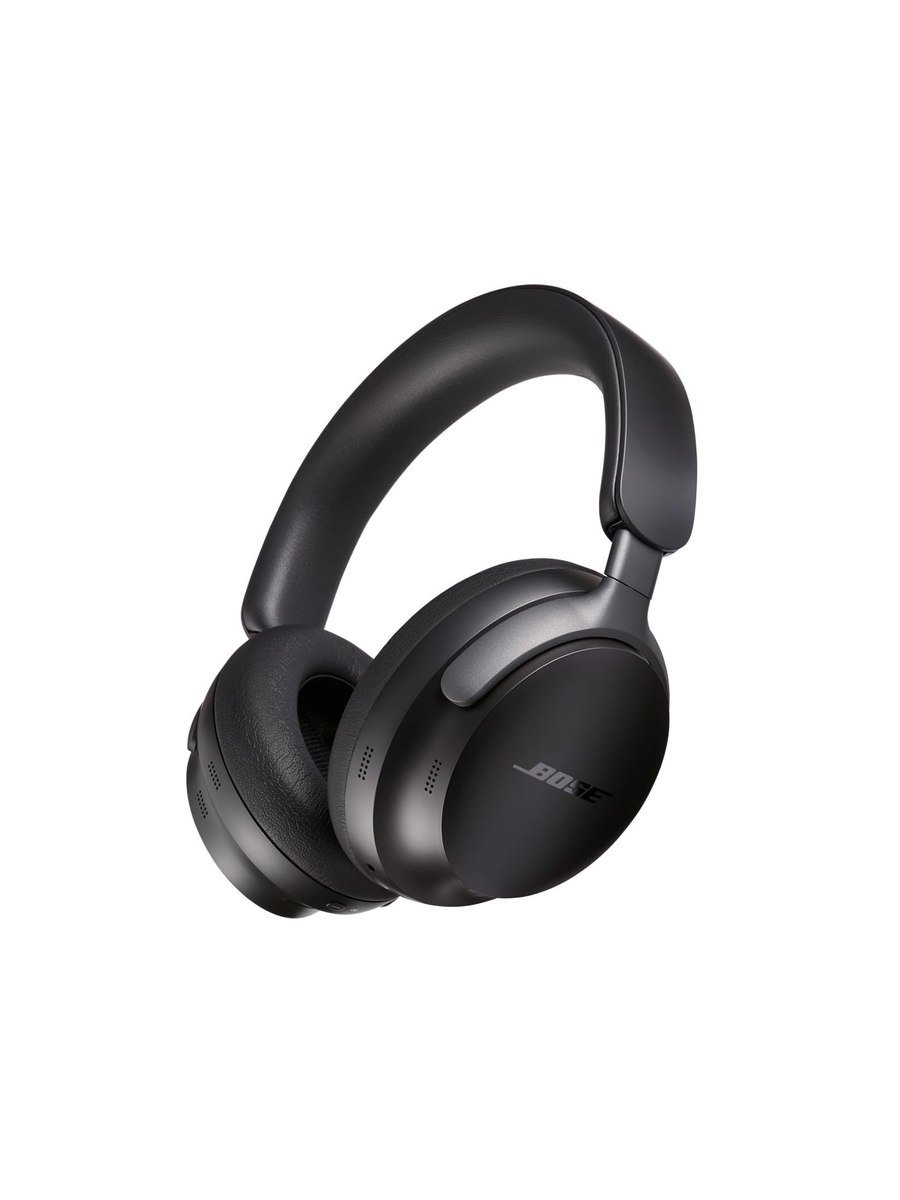
The most comfortable cancelling headphones you can buy, with the most natural transparency mode. Battery life is the one number that lags the field.
As an Amazon Associate we earn from qualifying purchases. Links on this page may be affiliate links; we may earn a commission at no extra cost to you.
Soundcore Q30: best for battery life
The Soundcore Q30 is the sensible choice when you want cancelling without buying a flagship. Check the current price. It gives you hybrid cancelling, three named modes (Transport, Outdoor and Indoor) that actually differ, and a rated battery of up to 50 hours with cancelling on. Owners describe forgetting when it was last charged.

The pads are protein leather over memory foam, and the cups rotate up to 15 degrees to follow the shape of your head. A hard travel case comes in the box, and the 3.5 mm cable means you can run it wired. The app has 22 EQ presets plus a custom curve saved to the headphones. The default tuning is bass-heavy, and owners say most complaints about the sound come from people who skipped that step.

The trade-off
Mid-range noise still gets through. That is exactly the noise a home office produces, so this is the compromise that matters most here. The microphones are also weak for meetings, and ear cups warm up during long sessions for some owners. The plastic body keeps weight down, but the hinge area does not like being forced.
Who should skip it
If you spend much of the day on video calls, or share a space with voices and appliances you need silenced, skip it. A pair that lets conversation through is a poor fit for focus work.
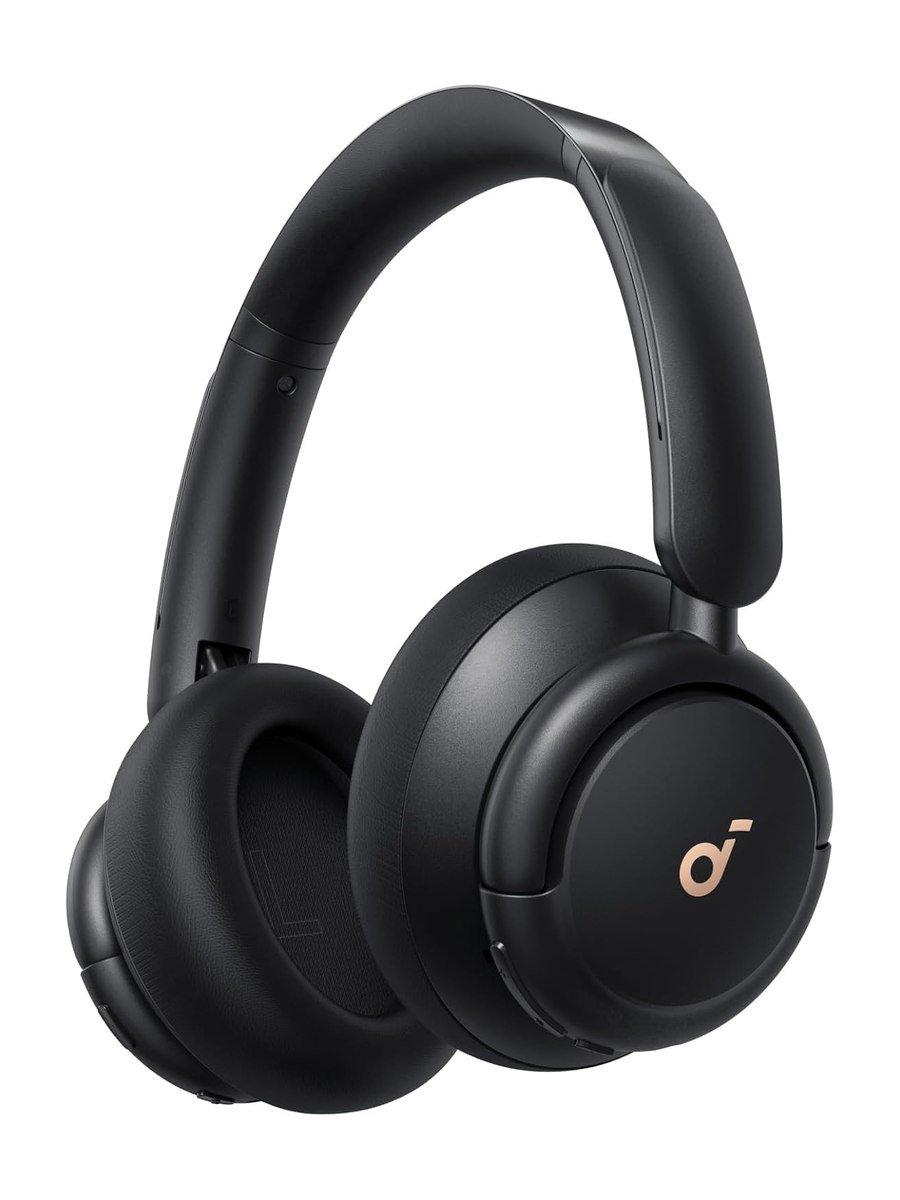
Most of the cancelling experience for a small fraction of flagship money, with a battery figure nothing else here comes close to. Use the app equaliser.
As an Amazon Associate we earn from qualifying purchases. Links on this page may be affiliate links; we may earn a commission at no extra cost to you.
How to choose between them
Start with your noise. Constant low background noise such as a fan or hum is something all three can reduce. Voices and household clatter need stronger mid-range cancelling, which points to the Sony. Then think about calls. The Sony has beamforming mics with wind-noise reduction, and the Soundcore's mics are weak for meetings.
| Point | Sony WH-1000XM5 | Bose QuietComfort Ultra | Soundcore Q30 |
|---|---|---|---|
| Battery, cancelling on | Up to 30 h | Up to 24 h | Up to 50 h |
| Multipoint | 2 devices | 2 devices | On current firmware |
| Strongest point | Mid-range cancelling | Long-wear comfort | Battery |
| Main weakness | Bulky case | Battery | Mid-range noise, meeting mics |
- Pick the Sony if focus and calls matter most and the headphones mostly stay on your desk.
- Pick the Bose if you wear them for hours at a stretch and want transparency that sounds natural.
- Pick the Soundcore if you rarely join meetings on them and charging is something you forget.
One last check before buying: if you wear glasses, the Sony's Auto NC Optimizer adjusts cancelling for how the pads seal against them. If the headphones will travel in a backpack, remember that the Sony's cups do not fold flat.

Found this review helpful?
Pin it to one of your boards and come back to it whenever you need a reminder.

No comments yet.
Join the discussion. Comments are moderated before appearing.