Buy a speaker whose spec sheet prints a full two-digit IP code, then read the second digit. That digit is the water rating, and on a code like IP67 it is the 7 that tells you the speaker can be dunked and survive. Anything sold as merely "splashproof" or "water resistant" without a code is a vaguer promise, and the beach, the shower and a loaded backpack all punish vague promises.
What the code actually says
IP stands for ingress protection. The code has two digits after the letters. The first covers solid particles such as dust and sand. The second covers water. Higher numbers mean more protection on each scale.
When a manufacturer has not tested one of the two, it puts an X in that slot. A code with an X in the dust position still tells you about water, but it tells you nothing about sand or grit. That matters on a beach.
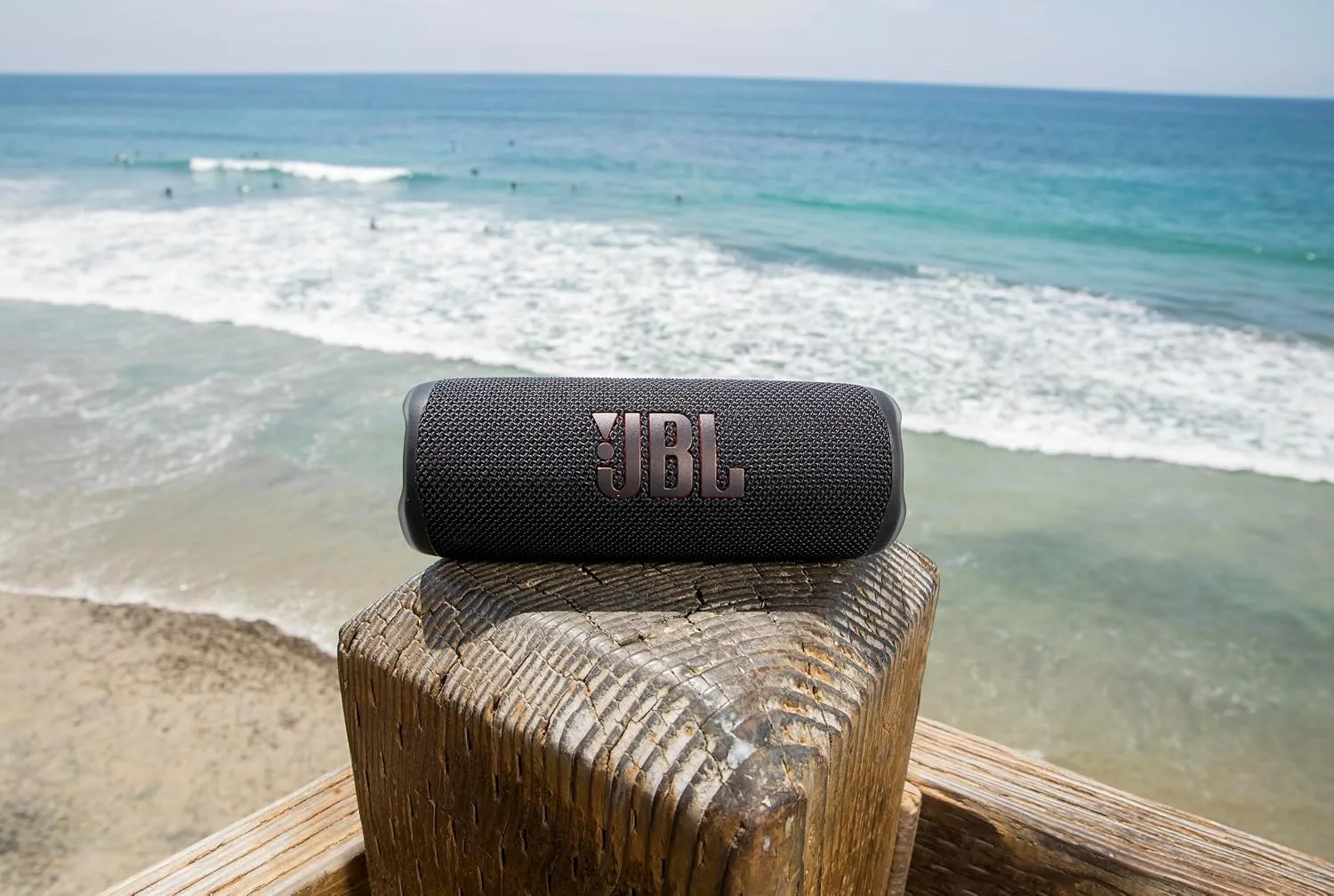
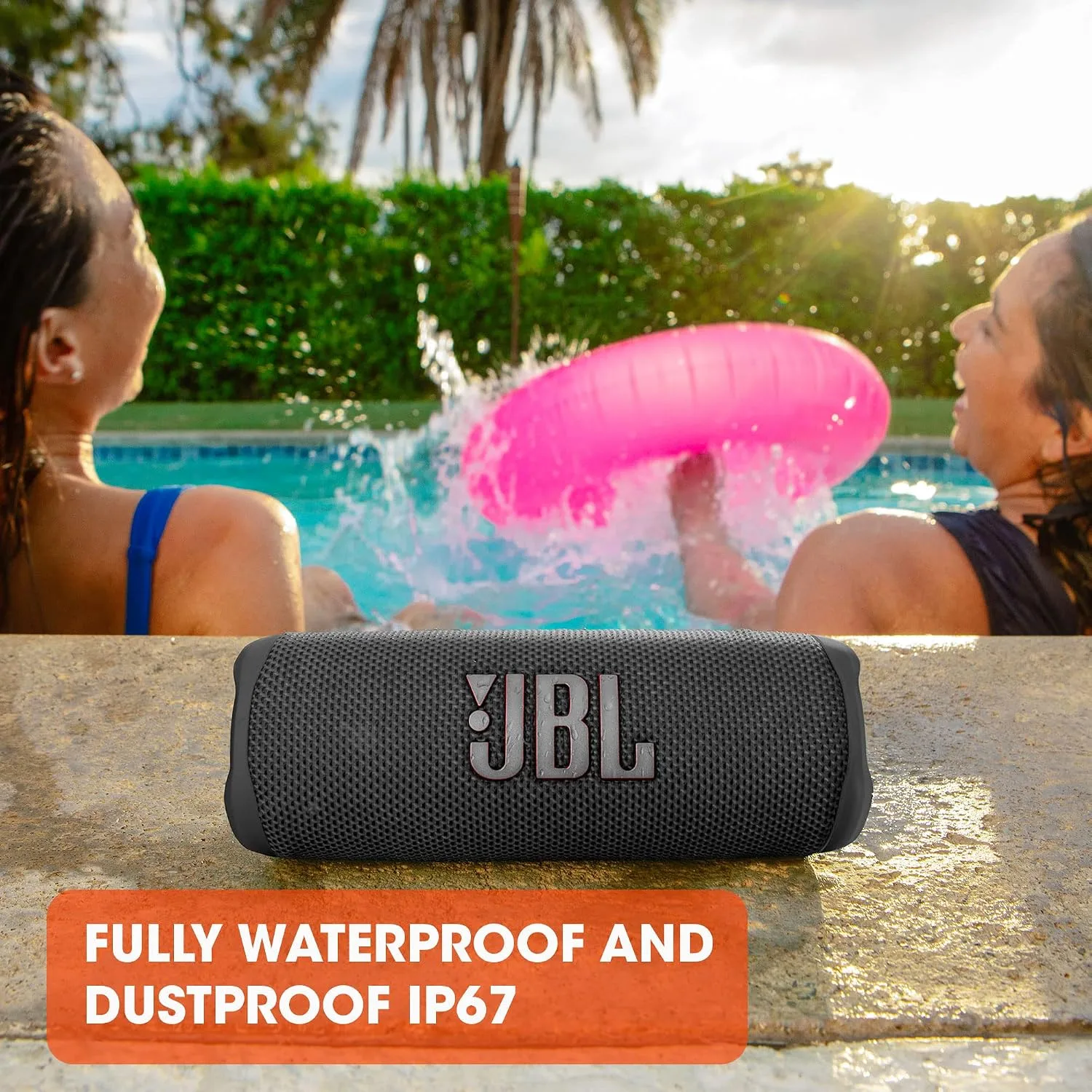
The JBL Flip 6 is rated IP67. In plain terms: dust-tight, and good for 30 minutes in a meter of water. That is a specific, testable claim, which is exactly what you want to see on a spec sheet.
What actually matters
1. The second digit, matched to where the speaker will live
Work out the worst thing that will realistically happen. A speaker on a shower shelf gets spray and steam. A speaker on a pool ledge gets splashed and, sooner or later, knocked in. A speaker clipped to a bag gets rained on.
The check: find the water digit and see whether the maker describes it in words. A rating that covers immersion is the safe choice for pools, boats and any surface a speaker can roll off. A lower digit that covers splashes and spray is fine for a bathroom shelf you control, but it leaves no margin for an accident.
2. The first digit, if sand or grit is involved
Dust protection is the half of the code people skip. It matters on a beach, a dusty trail, a building site or a garden shed shelf. Fine particles get into buttons, seams and ports.
The check: look for a number, not an X, in the first position. The Flip 6 carries a 6 there, so it is dust-tight. Owners mention that sand still needs cleaning out around the charging flap, which is a good reminder that a rating protects the internals, not your tidiness.
3. The charging port cover
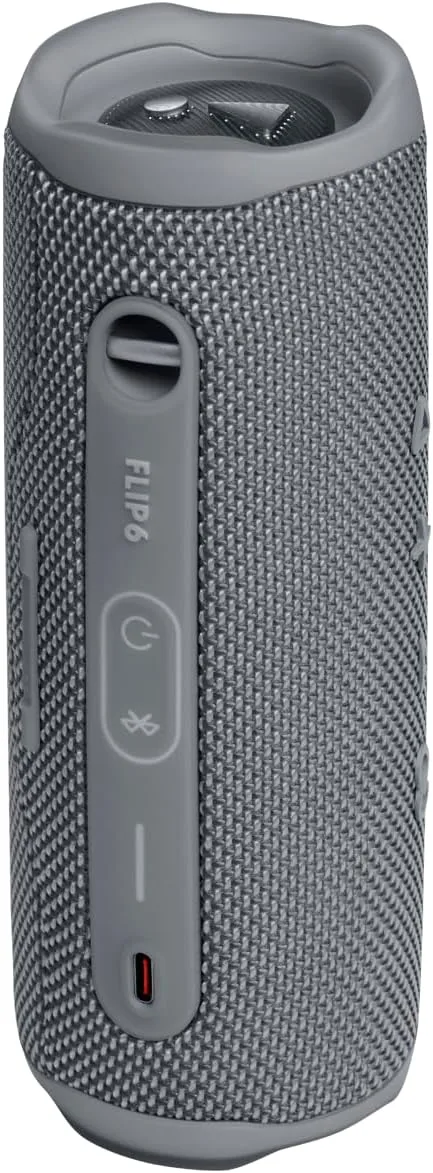
The rating only holds while everything that opens is closed. The charging port is the usual weak point on any waterproof speaker, so the flap or cover matters as much as the headline code.
The check: look at product photos for a cover that sits flush, and read owner feedback for anything about the flap loosening, trapping sand or being fiddly to close. Make closing it a habit before the speaker goes near water, and let it dry before charging.
4. Battery life at the volume you will really use
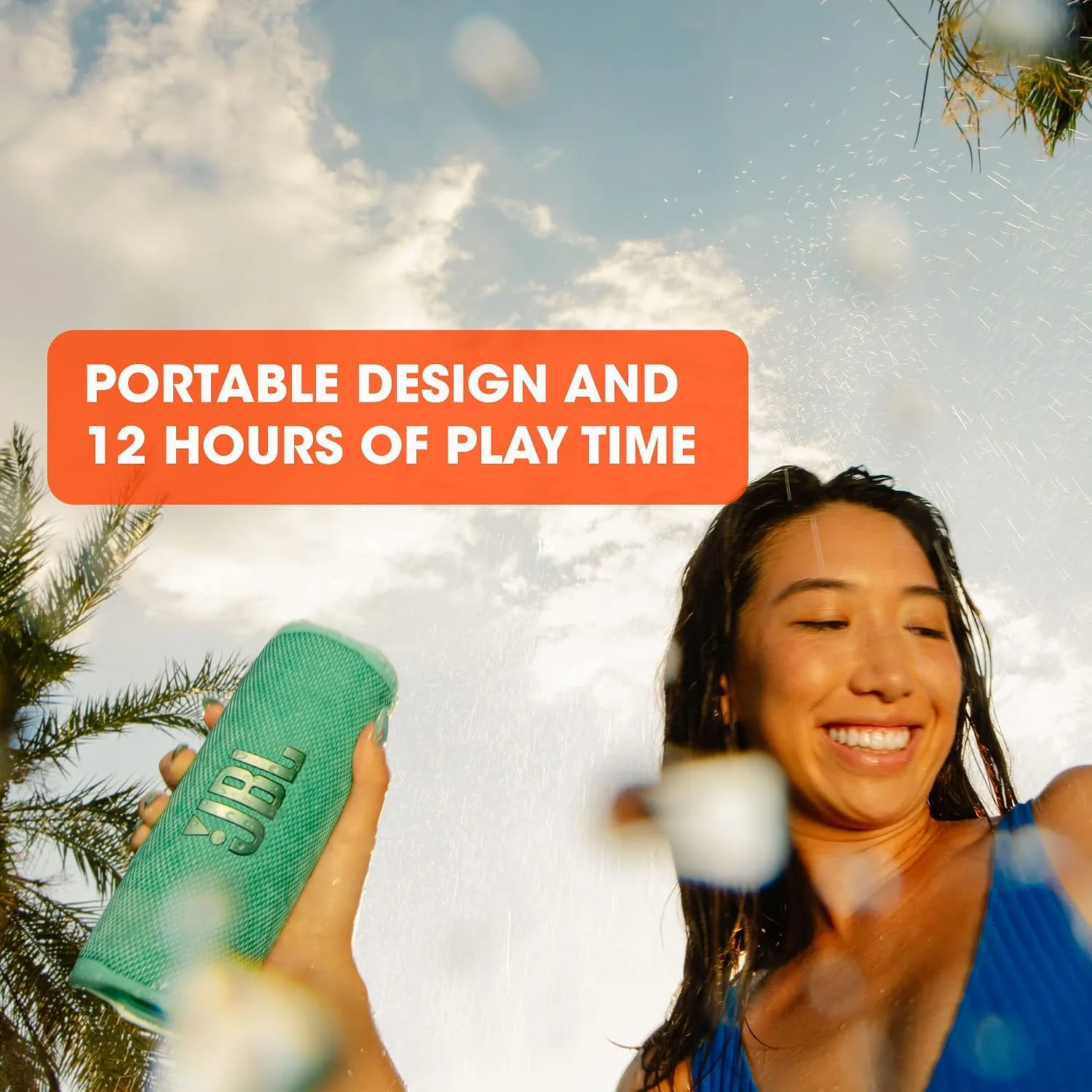
Outdoor use means higher volume, and battery claims are usually made at moderate volume. The Flip 6 is rated for up to 12 hours, and owners say that figure holds at moderate volume. Outdoors at high volume, some report dropping under ten hours.
The check: read the fine print on the battery claim and mentally trim it for your habits. For a day at the beach, ten hours is still a full day. For a multi-day camping trip with no power, plan to charge.
5. A way to carry and attach it
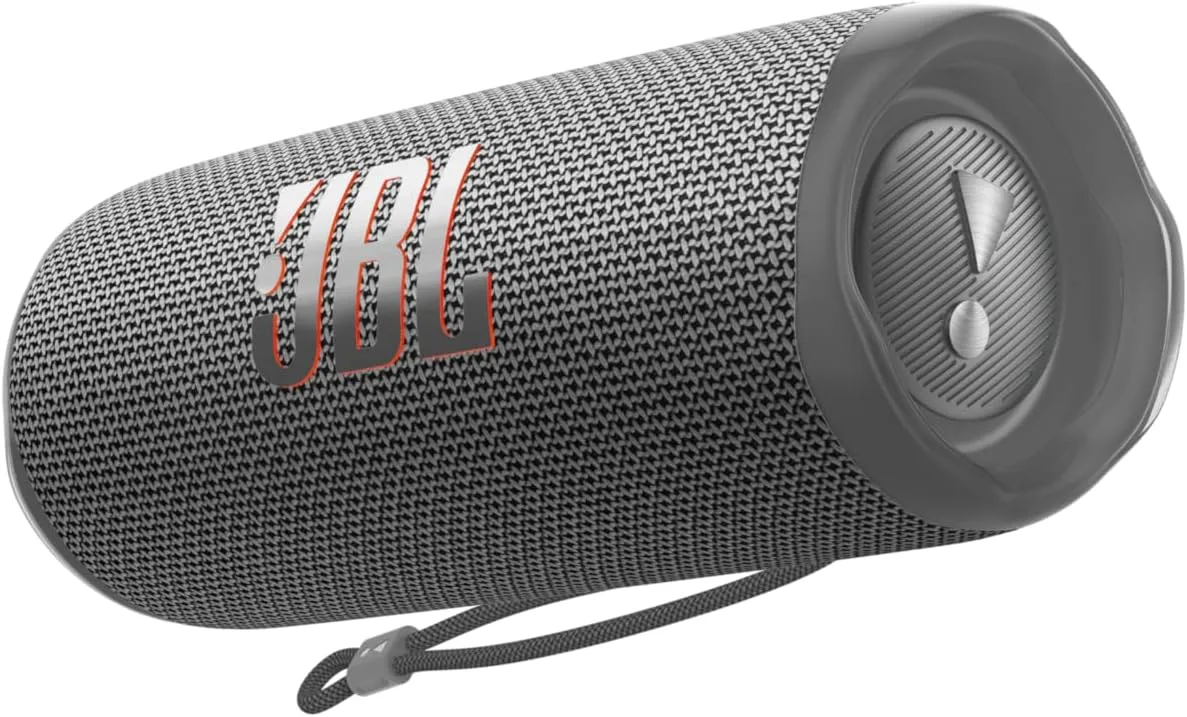
Waterproofing is wasted if the speaker lives in a drawer because it is awkward to take along. A strap loop or hook changes how often a speaker leaves the house. Owners of the Flip 6 single out the strap loop as the detail they use constantly, clipping the speaker to a bag or a bike.
The check: look for a built-in loop or strap in the photos and think about where you would clip it.
6. Inputs and extras you will miss
Many portable speakers are Bluetooth only. The Flip 6 has no 3.5 mm input, no speakerphone function, and owners name the missing aux jack as the most common omission. If you want to plug in a wired source, or take calls on the speaker, say so before you buy, not after.
The check: list the inputs and features on the spec sheet, then compare against how you play audio. Phone over Bluetooth covers most people. A turntable preamp or an old media player does not.
What to ignore
- The word "waterproof" on its own. It is a marketing word, not a standard. Look for the code and the stated depth and time.
- A single wattage number as a loudness guarantee. Output is worth reading, but it tells you less than how a speaker sounds at volume. The Flip 6 is rated 30 W total across a woofer and a dedicated tweeter, and it is loud for a seven-inch speaker. The tweeter is the more interesting detail, because it is what gives the top end clarity.
- Chasing the highest water digit. Past the level that covers an accidental dunk, extra water protection does little for a speaker that lives at the beach and in a bag. Spend your attention on the dust digit, the port cover and the battery instead.
- Color and finish as a durability signal. A rugged-looking fabric grille says nothing about the seals.
Common mistakes
- Assuming the water rating covers everything. Ratings are tested under controlled conditions, generally in clean fresh water. Salt water, chlorinated pool water, soap and sunscreen are harder on a speaker than a lab test suggests. After the beach or the pool, rinse the speaker with fresh water with the port cover shut, and let it dry.
- Charging a wet speaker. Dry the port area first. A rated speaker can survive a dunk and still have a bad day if you plug a cable into a damp port.
- Ignoring the X. A code like IPX7 is a water claim only. If you are going to the beach, you want the dust digit filled in.
- Treating the rating as permanent. Seals and covers wear over time, especially on a speaker that gets knocked around daily. If a cover no longer closes properly, treat the speaker as splash-level at best.
- Buying for the shower and forgetting the rest of the week. A speaker that only survives bathroom steam is a poor fit if it also has to go on a picnic or a bike ride. Buy for the roughest place it will go.
- Overlooking the pairing story. If you might add a second speaker later, check how pairing works. PartyBoost on the Flip 6 pairs two for stereo or chains multiple compatible JBL speakers, but it will not chain older JBL models.
Which buyer should pick what
The beach and pool buyer
You need both digits filled in: dust-tight and rated for immersion. Sand, splashes and the occasional fall into water are all on the table. Look for IP67 or better, a strap loop, and a port cover you trust. Plan to rinse the speaker after salt or chlorine.
The shower buyer
This is the easiest case. Spray and steam are manageable, and a speaker on a shelf rarely goes anywhere. A lower water rating can do the job, but an immersion rating gives you margin for the day it slides off the ledge. Dust protection barely matters here.
The backpack and commuter buyer
Rain, grit, being squashed beside a water bottle. Dust protection matters more than for the shower, and a built-in strap loop matters more than either. Check that the speaker is compact enough to live in a bag pocket. The Flip 6 is about seven inches long.
The wired-source buyer
If you need a 3.5 mm input, a rugged Bluetooth-only speaker will frustrate you whatever its rating. Look elsewhere or accept the limit before buying.
The call-taker
If you want to use the speaker as a speakerphone, confirm that the model has that function. The Flip 6 does not.
Where the JBL Flip 6 fits
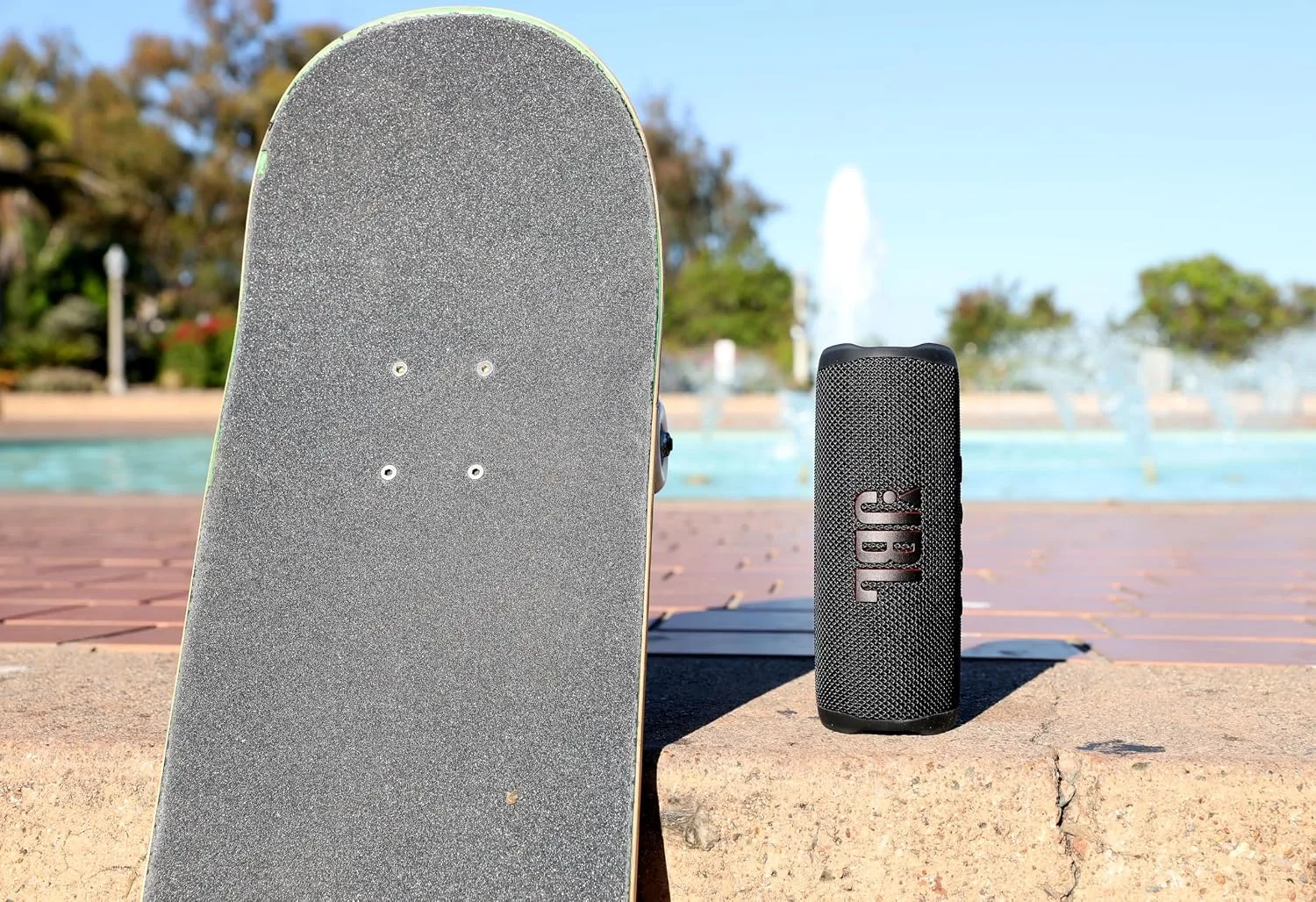
The JBL Flip 6 is a direct answer to the question in this guide. It is IP67 rated, so it is dust-tight and good for 30 minutes in a meter of water. That covers the beach, the shower and a backpack in the rain without needing to compare codes.
Owners report no failures from poolside, shower and rain use. Sand cleaning around the charging flap is the one chore they mention.
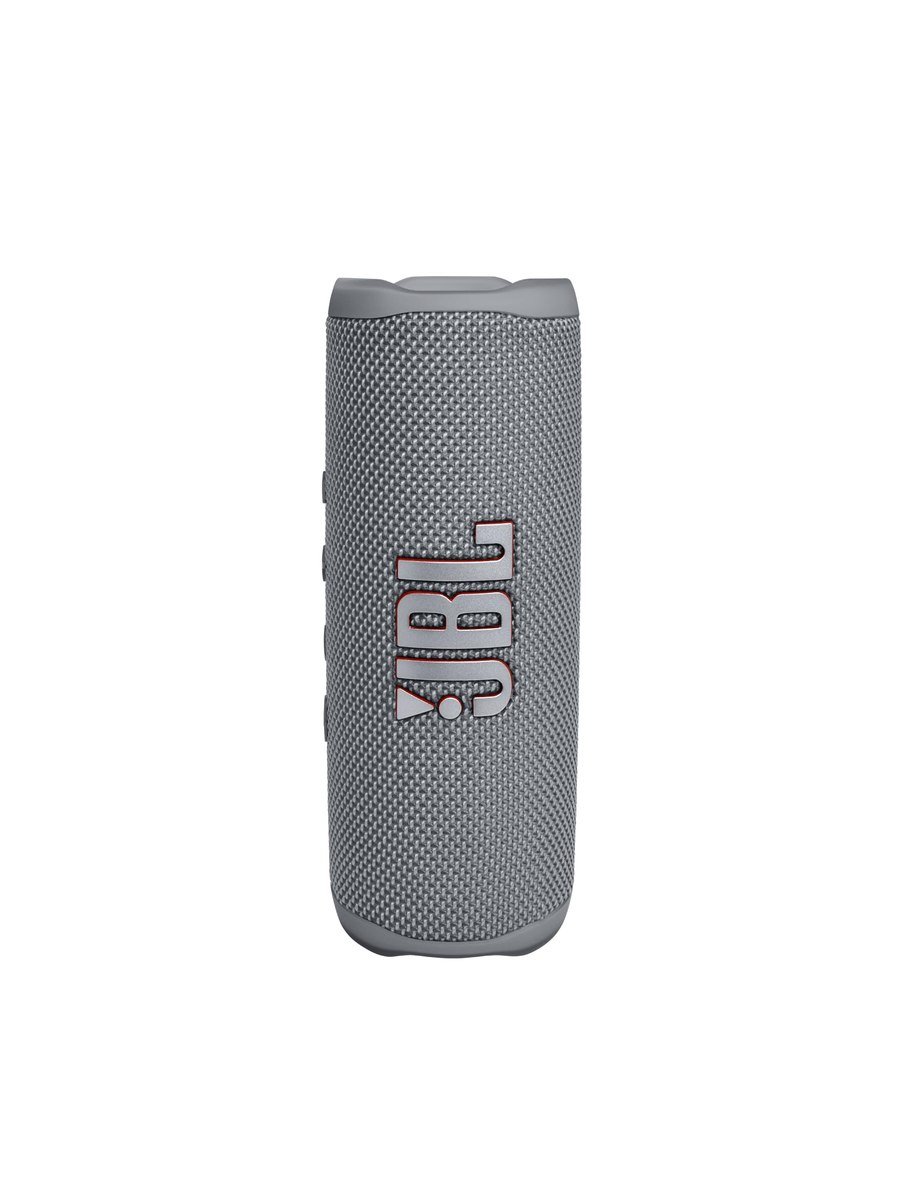
A separate tweeter finally fixed the Flip's muddy top end. IP67 and twelve hours make it the portable speaker you stop thinking about.
As an Amazon Associate we earn from qualifying purchases. Links on this page may be affiliate links; we may earn a commission at no extra cost to you.
The sound is a real part of the case. It uses a racetrack woofer plus a dedicated tweeter, with dual passive radiators moving air for bass without a port. In our review, the separate tweeter is what fixed the Flip's muddy top end. Battery is rated up to 12 hours, charging is by USB-C, and Bluetooth is 5.1.
The trade-offs are the ones listed above. There is no 3.5 mm input and no speakerphone function, and PartyBoost will not chain older JBL speakers. If those matter to you, they are real reasons to look elsewhere. If they do not, the Flip 6 is the kind of speaker you stop thinking about, which is the best thing to say about a device that lives near water.
Check the current price before you buy.
A short checklist before you buy
- Find a full IP code with two digits, not just the word "waterproof".
- Match the second digit to the worst realistic water exposure, including a fall in.
- Look for a number, not an X, in the dust position if sand or grit is involved.
- Check the port cover and how owners describe it.
- Read the battery claim at the volume you will really use.
- Confirm the inputs and features you need are there.
That list is short, and it covers most of the decision before you compare anything else.
Found this review helpful?
Pin it to one of your boards and come back to it whenever you need a reminder.

No comments yet.
Join the discussion. Comments are moderated before appearing.