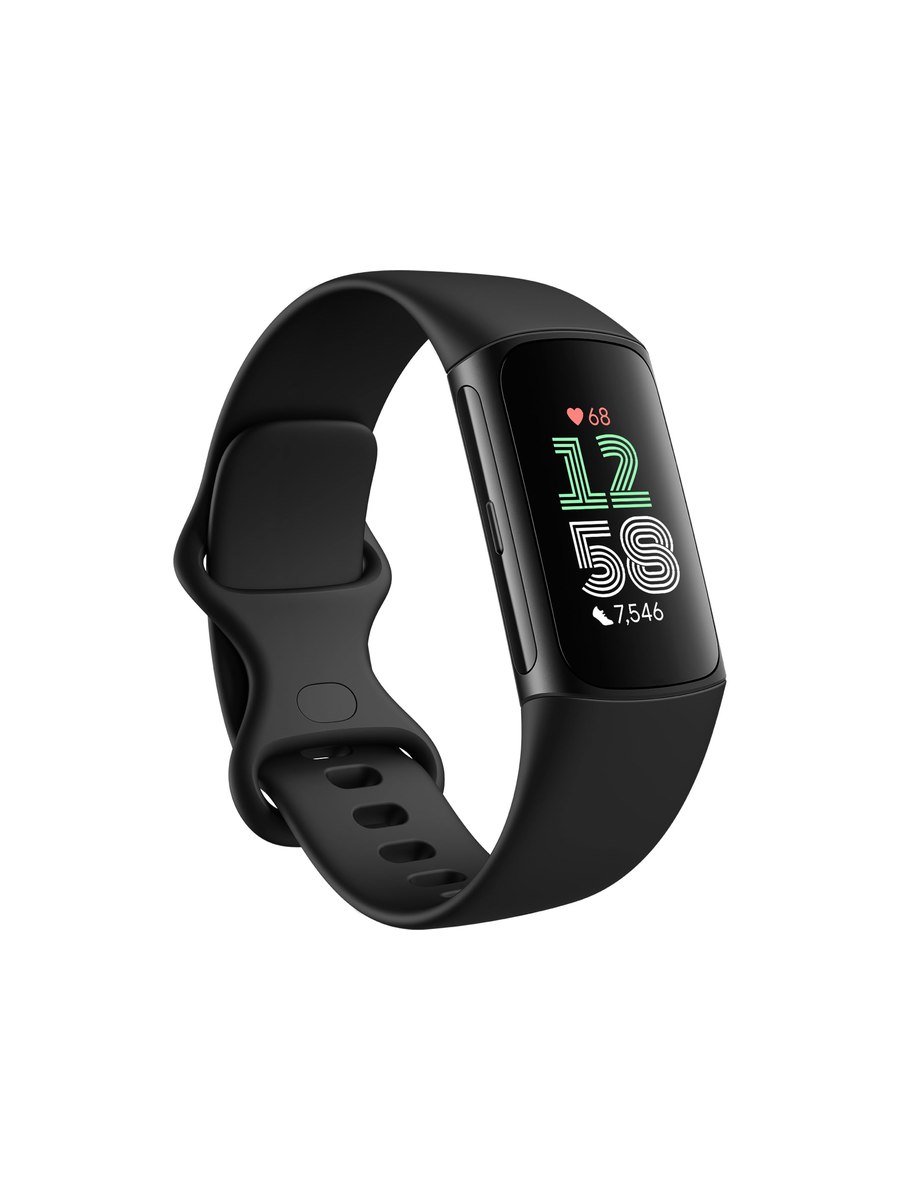
The Charge line has always occupied a useful middle ground: more capable than a plain step counter, less demanding than a smartwatch. The sixth version leans further into Google's ecosystem, and the results are mixed in ways worth understanding before you buy.
The gym feature
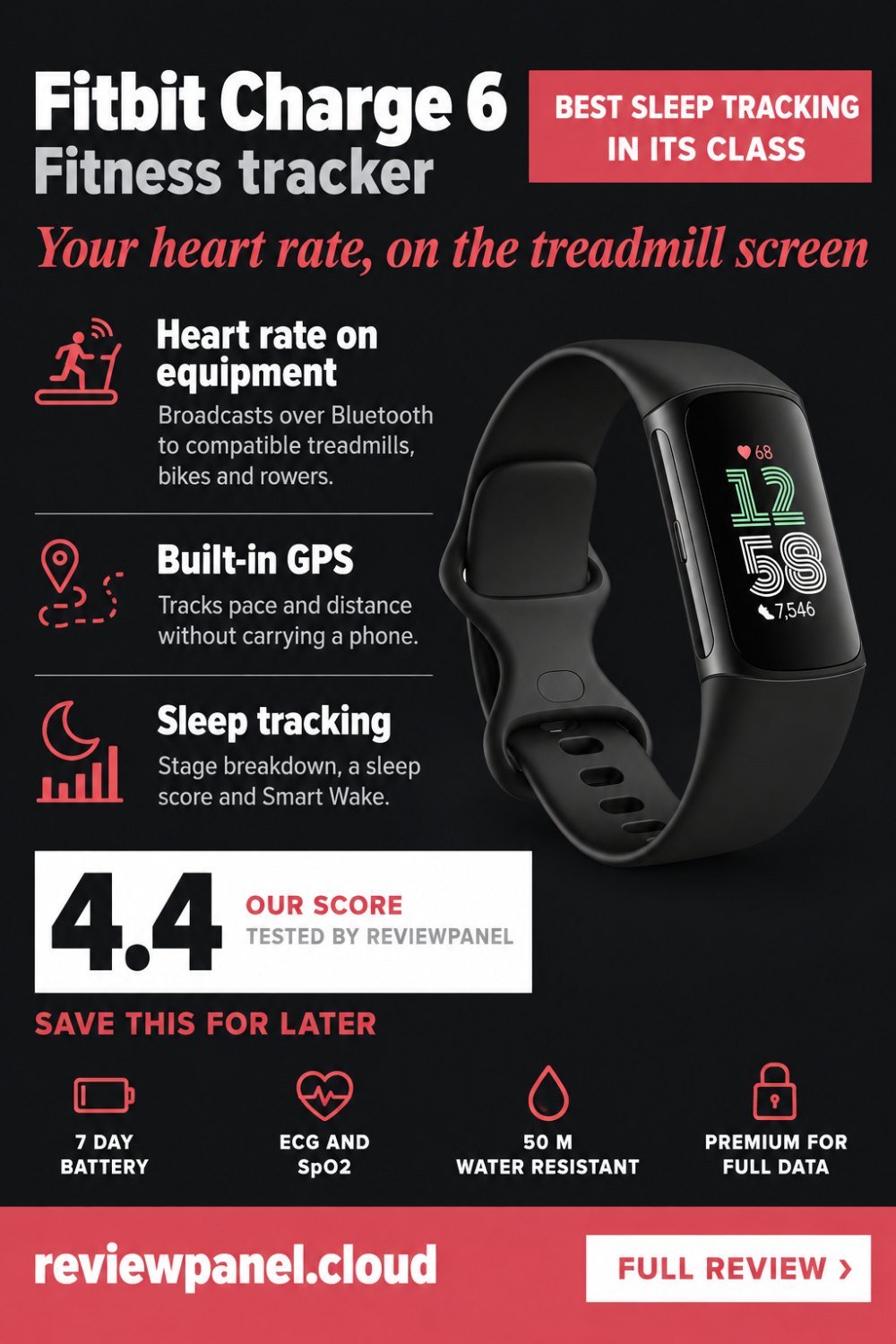
The Charge 6 broadcasts its heart rate over Bluetooth to compatible gym equipment. Put simply, your treadmill, rower or Peloton can display the watch's reading instead of making you grip metal handles that never work properly. It is a small feature that fixes a daily irritation, and it is the single most practical thing this generation added.
Tracking
Built-in GPS means outdoor runs and rides are mapped without the phone. Forty-plus exercise modes, automatic exercise detection, Active Zone Minutes and a Daily Readiness Score that is genuinely useful once it has a few weeks of your data. Sleep tracking remains Fitbit's strongest suit — the stage breakdown and the sleep score are still better presented than most rivals manage.
On the health side there is ECG, SpO2, skin temperature variation and irregular rhythm notifications. That is a fuller sensor set than the cheapest Apple Watch, on a band that costs considerably less.
What is free and what needs Premium
This is the question that decides whether the band is good value, and the line moves occasionally, so check it on the day you buy. The shape has been consistent, though.
| Feature | Included |
|---|---|
| Steps, heart rate, GPS, exercise modes | Free |
| Sleep stages and nightly sleep score | Free |
| ECG, SpO2, irregular rhythm alerts | Free |
| Daily Readiness Score | Premium |
| Detailed sleep profile and trend analysis | Premium |
| Guided workouts and mindfulness content | Premium |
New devices usually include a limited Premium period rather than a permanent one. If the free column covers what you want, this is a good buy; if the Premium rows are what attracted you, add the annual cost to the price before comparing it with anything else.
Battery and screen
Seven days is the rating, and it holds up at around five to six with GPS use and the always-on display off. That is the real advantage over a smartwatch: you stop thinking about charging. The colour AMOLED screen is small but sharp, and the physical side button returned after the Charge 5 removed it, which everyone asked for.
Wearing it so the readings are right
Optical heart rate is only as good as the contact, and most complaints about erratic readings are fit complaints. Wear it about a finger's width above the wrist bone, snug enough that it does not slide when you shake your wrist but loose enough to fit a fingertip underneath. For running or intervals, move it up the arm slightly and tighten it a notch, then loosen it again afterwards. A band worn loose over a bony wrist produces the dropouts and impossible spikes people report, and no amount of software fixes it.
Two other things matter. Clean under it: sweat and soap trapped against skin is the usual cause of the rash people blame on the material. And accept the limit of the technology on hard intervals, where any wrist sensor lags the real rate by several seconds; a chest strap pairs if that accuracy matters to you.
The Google side
Google Maps directions on the wrist, Google Wallet for contactless payments and YouTube Music controls. Useful if you are already in that ecosystem. The catch is the subscription: several of the more interesting insights sit behind Fitbit Premium, and a membership is bundled for a limited period with new devices rather than forever. Decide whether the free tier gives you what you need.
Should you buy it?
Buy the Charge 6 if you want proper fitness tracking, week-long battery and a band rather than a watch on your wrist. Skip it if you want a full smartwatch with apps, or if you resent features being gated behind a subscription.
Key features
Heart rate on equipment
Broadcasts over Bluetooth to compatible treadmills, bikes and rowers.
Built-in GPS
Tracks pace and distance without carrying a phone.
40+ exercise modes
With automatic exercise detection and Active Zone Minutes.
Sleep tracking
Stage breakdown, sleep score and Smart Wake.
ECG and SpO2
Plus skin temperature variation and irregular rhythm notifications.
Google apps
Maps directions, Wallet payments and YouTube Music controls.
Pros & cons
What we like
- Heart rate broadcasts to compatible gym equipment
- Built-in GPS for phone-free runs
- About seven days of battery
- Best-in-class sleep tracking and sleep score
- ECG, SpO2 and irregular rhythm alerts
- Google Maps, Wallet and YouTube Music on the wrist
What could be better
- Several insights need a Fitbit Premium subscription
- Small screen for reading notifications
- Not a full smartwatch, no third-party apps
Specifications
Frequently asked questions
It sends the watch's heart rate reading over Bluetooth to compatible gym machines and apps, so the treadmill shows your rate without you gripping the handles.
Not for basic tracking, sleep stages or GPS. Premium adds the deeper analysis, the full Daily Readiness detail and guided content.
The rating is seven days. With daily GPS use expect closer to five or six, which is still far beyond a smartwatch.
Yes, it is rated to 50 metres and tracks pool swims.
Yes, the Fitbit app is available on both iOS and Android, though some Google features work best on Android.
About a finger's width above the wrist bone, snug enough not to slide when you shake your wrist but loose enough for a fingertip underneath. Move it higher and tighten a notch for running, then loosen it afterwards.
Steps, heart rate, GPS, exercise modes, sleep stages, the sleep score, ECG and SpO2 are included. Daily Readiness, the detailed sleep profile, trend analysis and guided content need Premium, which is bundled only for a limited period with new devices.
Every wrist sensor lags the real rate by several seconds under hard, changing effort, and a loose band makes it worse. Tighten it for the session, or pair a chest strap if that accuracy matters.
Final verdict
Broadcasting heart rate to gym equipment is the feature that fixes a daily irritation. Sleep tracking is still the best in the class; Premium gates too much.
What owners report
Gathered from what long-term owners consistently say, not from a single test.
The clasp where the strap meets the body is what long-term owners talk about most; those who force it on and off report it loosening. Six days is the realistic battery expectation, with seven only reachable at low brightness and with notifications trimmed. Broadcasting heart rate to gym equipment rarely drives the purchase but becomes the detail owners value most once they are using it. The recurring irritation is hitting the Premium paywall repeatedly while moving through the app.
Reader rating
Found this review helpful?
Pin it to one of your boards and come back to it whenever you need a reminder.

No comments yet.
Join the discussion. Comments are moderated before appearing.